

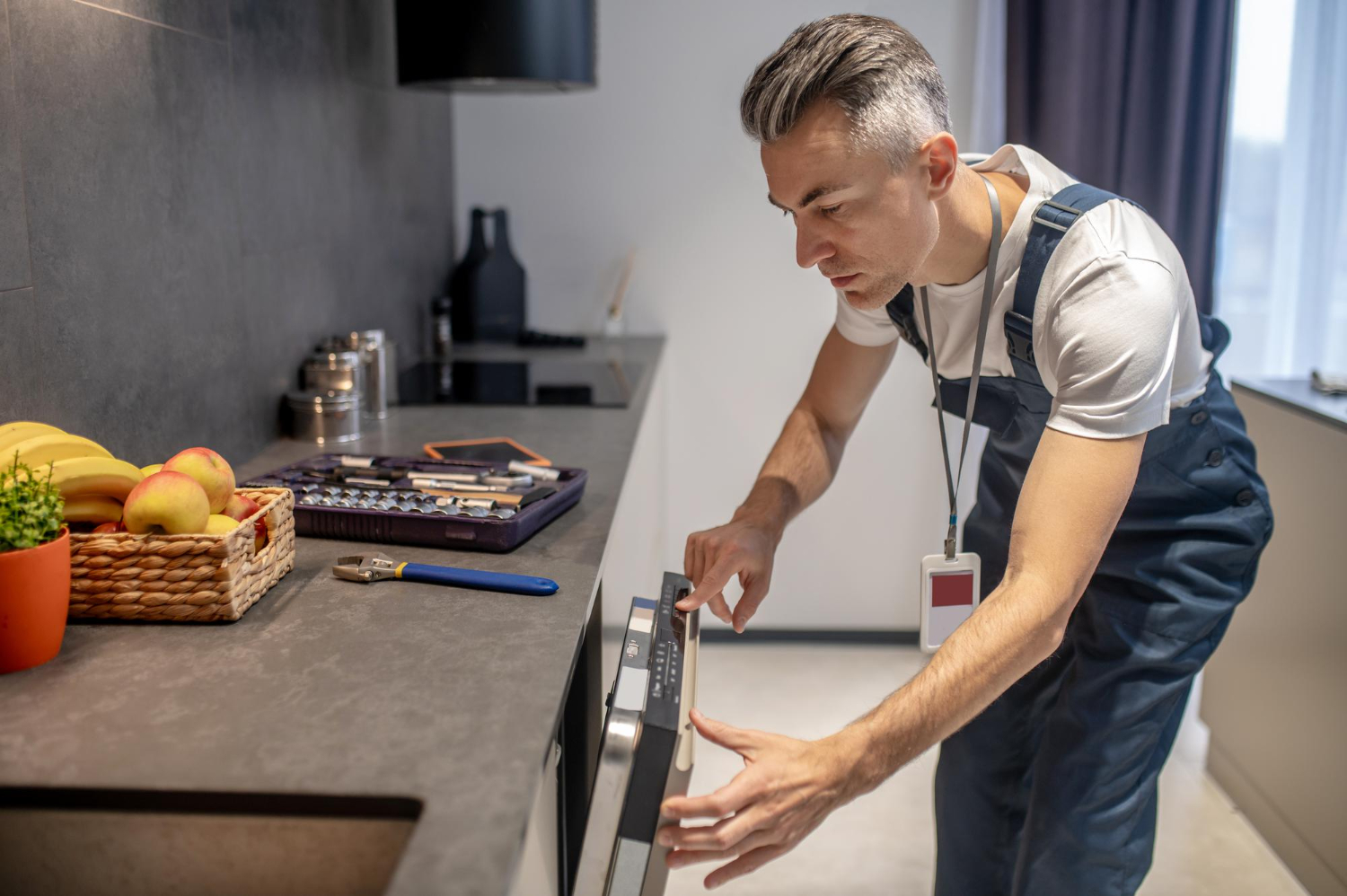
How to Prepare Your Appliances for Moving Day
Moving to a new home in Ottawa is an exciting milestone, but tackling the heavy lifting requires careful planning. Among all the items you need to transport, major household appliances are often the most daunting. They are bulky, heavy, and surprisingly fragile if not handled correctly. Taking the time to properly prepare appliances for moving is crucial to prevent damage, avoid unpleasant odours, and ensure they work perfectly when you arrive at your new address.
Whether you are relocating to a new neighbourhood across the National Capital Region or embarking on a long-distance move, this comprehensive guide will walk you through exactly what you need to do before the moving truck arrives.
Why You Need to Prepare Your Appliances Before Movers Arrive
Professional movers are experts at lifting and transporting heavy items, but the preparation of gas and electrical appliances is generally the homeowner’s responsibility. Proper preparation ensures:
- Safety: Disconnecting gas lines and water hoses correctly prevents leaks and water damage.
- Hygiene: Defrosting and cleaning out food particles prevents mould, mildew, and foul smells during transit.
- Protection: Securing loose parts and internal mechanisms prevents internal damage to your expensive white goods.
Step-by-Step Guide to Prepare Appliances for Moving
Different appliances require different preparations. Here is exactly how to get your major household items ready for moving day.
Refrigerator and Freezer
Your fridge is arguably the most important appliance to prepare well in advance.
- Empty and Defrost: At least 48 hours before your move, empty all food. Unplug the unit and prop the doors open to allow the freezer to completely defrost.
- Clean and Dry: Wipe down all internal surfaces with a mixture of baking soda and warm water. Ensure the interior is completely dry to prevent mould growth.
- Remove Removable Parts: Take out all glass shelves, crisper drawers, and trays. Pack these separately in bubble wrap and sturdy boxes.
- Secure the Doors: Tape the doors shut or use a bungee cord so they don't swing open while being carried. Do not use standard packing tape directly on the finish, as it can leave a sticky residue or strip the paint.
Washing Machine
Washing machines require special care because they contain heavy internal drums and residual water.
- Clean the Drum: Run a normal wash cycle on hot with a specialized cleaner or white vinegar to clear out detergent residue. Leave the door open for 24 hours to let it dry completely.
- Disconnect and Drain: Turn off the water supply valves. Disconnect the hot and cold water hoses, and empty any remaining water into a bucket. Keep the hoses in a labelled bag.
- Secure the Drum: This is the most critical step. Consult your owner's manual to find out how to install the transit bolts (shipping bolts). These bolts lock the drum in place to prevent the suspension system from breaking during transit.
Tumble Dryer
Dryers are generally lighter and easier to prepare than washing machines, but they still require attention.
- Clean the Lint Trap: Thoroughly clean the lint screen and wipe down the inside of the drum.
- Disconnect the Vent: Disconnect the exhaust vent from the back of the machine.
- Gas Dryers: If you have a gas dryer, you must have a qualified professional disconnect the gas line and cap the pipe safely before moving day.
Stove and Oven
Whether electric or gas, your stove needs a deep clean before it goes onto the moving truck.
- Scrub It Down: Clean the oven interior, stovetop, and control panels to remove grease. Grease can attract dirt during the move and make the appliance slippery to carry.
- Remove Loose Parts: Take out the oven racks, drip pans, and burner grates. Pack them securely in a separate box.
- Disconnecting: For an electric stove, simply unplug it. For a gas stove, ensure the gas is turned off at the main valve before calling a certified gas technician to disconnect the line safely.
Dishwasher
Dishwashers can harbour hidden water, which can leak onto your other belongings if not properly drained.
- Empty and Run: Empty the dishwasher and run a short cycle with a dishwasher cleaner. Let it air dry completely by leaving the door open for at least a day.
- Drain Hoses: Turn off the water supply and disconnect the hoses. Drain any leftover water from the hoses into a bowl.
- Secure Racks: Tape the internal racks securely so they don't slide around, and tape the door shut.
Small Kitchen Appliances
Don't forget about your microwaves, toasters, and coffee makers! Give them a good wipe down, remove any loose glass plates (like the microwave turntable), and pack them securely in their original boxes if you still have them. If you need more tips on tackling the rest of your culinary space, check out our guide on how to pack your kitchen for moving.
General Tips for All Appliances
- Consult the Manuals: Always check the manufacturer's manual for specific moving instructions. If you've lost the physical copies, you can usually find PDFs online by searching the model number.
- Measure Doorways: Before moving day, measure the appliances and the doorways in both your current home and your new residence to ensure they will fit through without scratching the doorframes.
- Keep Hardware Together: Place any screws, bolts, and small parts in a clear ziplock bag and tape it securely to the back of the corresponding appliance.
Ready for Moving Day?
Taking the time to prepare appliances for moving will save you from costly repairs and give you peace of mind on moving day. Once your appliances are disconnected, cleaned, and secured, you can leave the heavy lifting to the professionals.
If you're looking for reliable home movers in Ottawa who know how to handle your bulky appliances with care, UpMove is here to help. Contact us today for a free, no-obligation quote and let us make your next move a seamless experience!


