

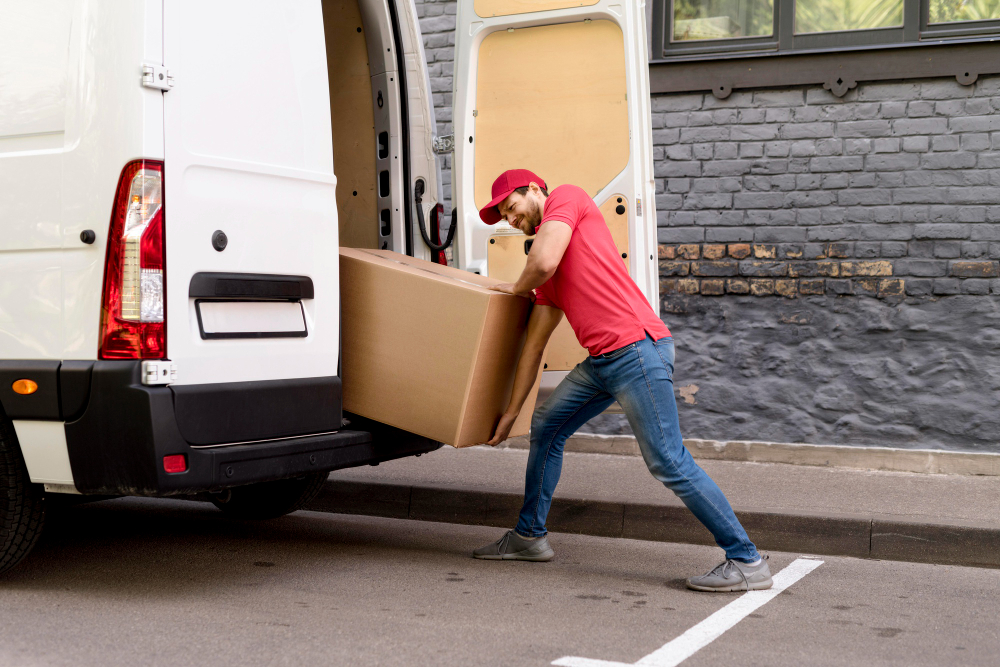
Renting a Moving Truck vs. Hiring Movers in Ottawa: Complete Comparison
Introduction
Every Ottawa resident planning a move faces the same fundamental decision: do I rent a truck and do it myself, or do I hire professional movers? It sounds simple, but the real cost comparison is far more nuanced than most people realize. A U-Haul rental might look like $50 on the website, but once you add insurance, fuel, equipment, and the value of your time, the gap narrows dramatically. Renting a moving truck vs. hiring movers isn't just about price—it's about risk tolerance, physical ability, schedule flexibility, and the hidden costs that DIY movers rarely calculate until the bill arrives. This guide provides an honest, side-by-side comparison to help Ottawa residents make the smartest financial and practical decision for their specific situation.
Main Sections
True Cost Breakdown: DIY Truck Rental
A basic truck rental in Ottawa from companies like U-Haul, Budget, or Penske starts at $30–$80 per day for a local move, depending on truck size. But the sticker price is just the beginning. Add mandatory insurance ($15–$30/day), fuel (a 26-foot truck gets 10 miles per gallon and costs $80–$120 to fill), moving blankets and dolly rental ($30–$50), parking permits if needed ($50–$100 in downtown Ottawa), and packing supplies ($50–$150). Factor in the cost of feeding friends who help (budget $50–$100 for pizza and drinks), plus the risk of damage to belongings that isn't covered by basic truck insurance. A realistic all-in cost for a DIY two-bedroom move in Ottawa ranges from $350 to $700—not including the value of 10–14 hours of your time and the physical toll on your body.
True Cost Breakdown: Professional Movers
A professional moving crew in Ottawa for a two-bedroom apartment typically costs $400–$900 for a local move, based on 3–5 hours of work with two or three movers and a truck. This price generally includes the truck, fuel, basic insurance, moving blankets, dollies, shrink wrap, and the disassembly and reassembly of standard furniture. Additional services like packing, specialty item handling, and extended insurance are extra. The key difference from DIY is what's included: you aren't buying supplies, renting equipment, or recruiting reluctant friends. Your total time investment drops from a full day to a few hours of supervision. For a three-bedroom house, professional moving costs range from $800 to $1,500, while the DIY equivalent—with a larger truck, more helpers, and longer timeframe—approaches $600–$1,000 once all hidden costs are included.
The Hidden Costs of DIY Moving
The expenses you don't see are the ones that hurt most. Damage to belongings is the biggest hidden cost—without professional packing and handling, breakage rates are significantly higher. Dropped boxes, scratched furniture, and cracked electronics are common when amateurs handle the job. Physical injury is another real risk: back strains, pulled muscles, and even herniated discs from improper lifting technique send thousands of DIY movers to clinics every year. Then there's property damage—scuffed walls, gouged floors, and scratched door frames from furniture carried without padding. In rental properties, these damages come out of your security deposit. Finally, the time cost is substantial: a move that professionals complete in 4 hours often takes a DIY crew 10–12 hours, burning an entire weekend.
When DIY Makes Sense
DIY moving is genuinely cost-effective in specific scenarios: studio or one-bedroom apartments with minimal furniture, moves within the same building or complex, or situations where you have access to a pickup truck and physically capable helpers. If your total belongings fit in a single van load, paying $800 for professional movers doesn't make financial sense. DIY also works well for partial moves—for example, transporting boxes and small items yourself over several trips before hiring movers only for large furniture pieces. This hybrid approach lets you control costs on the easy items while leaving heavy, awkward, and valuable pieces to professionals who have the equipment and technique to handle them safely.
When Hiring Movers Is the Clear Winner
Professional movers become the obvious choice when you have heavy or specialized items (pianos, pool tables, safes, antiques), when the move involves stairs or buildings without elevators, when the timeline is tight with no room for delays, or when physical limitations prevent safe heavy lifting. Long-distance moves almost always require professionals due to insurance requirements and the complexity of multi-day logistics. If you're moving during Ottawa's peak season (June through September), professional movers guarantee a completion date that DIY cannot, since rental trucks may be unavailable and friends may cancel. The peace of mind of knowing your belongings are insured, your timeline is secure, and your body won't be wrecked tomorrow has genuine financial value.
Local Expertise Section
Why This Matters for Ottawa and Gatineau Residents
Ottawa's geography creates unique challenges for DIY movers. Many residential areas require street parking permits for large vehicles, and downtown streets in Centretown and the ByWard Market are notoriously narrow with limited stopping zones. If you rent a 26-foot truck and discover you can't park within 50 meters of your apartment building, the long carry adds hours and exhaustion. Ottawa's condo buildings often require professional movers with proof of insurance before granting elevator access—a policy that automatically disqualifies DIY moves in many high-rises. Gatineau's hilly terrain and one-way streets in Hull add complexity that unfamiliar DIY drivers find stressful. Additionally, returning a rental truck across provincial lines (Ontario to Quebec or vice versa) often incurs one-way fees of $100–$300.
Internal Linking Section
To understand the full financial picture of hiring professionals, review our detailed breakdown in how much do movers cost in Ottawa, which covers hourly rates, surcharges, and what to expect on your invoice. If you choose the professional route, our guide on how to avoid moving scams and fraud in Ottawa ensures you hire a legitimate company. For those leaning toward DIY, see our strategies for how to reduce moving costs legally and safely to optimize every dollar.
FAQ
Q: Is renting a moving truck really cheaper than hiring movers?
A: For very small moves (studio or one-bedroom), yes. For two bedrooms or more, the all-in cost difference is often less than $200 once you account for fuel, insurance, equipment, and time.
Q: Do I need special insurance when renting a moving truck?
A: Yes. Your personal auto insurance may not cover rental trucks. Purchase the rental company's liability and cargo coverage, or verify your existing policy explicitly covers commercial vehicles.
Q: Can I hire movers for loading and unloading only while using my own truck?
A: Yes, this is called labor-only service. UpMove and other Ottawa movers offer this option, typically at a lower hourly rate since no truck is involved.
Q: What size truck do I need for a two-bedroom apartment?
A: A 16–17 foot truck is usually sufficient for a one-bedroom; a 20–22 foot truck for a two-bedroom; and a 26-foot truck for a three-bedroom home.
Q: What happens if I damage the rental truck?
A: You're responsible for repair costs unless you purchased damage waiver insurance. Even minor scrapes can cost $500–$1,500 to repair on commercial trucks.
Conclusion
The decision between renting a moving truck vs. hiring movers comes down to a realistic assessment of your belongings, your budget, your physical ability, and the value of your time. For most Ottawa moves involving two or more bedrooms, professional movers offer better value than the sticker price suggests—especially when hidden DIY costs are calculated honestly. Contact UpMove for a free, transparent quote and discover how affordable professional moving really is when weighed against the true cost of doing it yourself.


