

How to Prepare Your New Home Before Moving In
Introduction
The keys are in your hand, but don't start unloading the truck just yet. The window between getting access to your new home and actually moving your belongings in is one of the most valuable periods of the entire relocation process. Preparing your new home before moving in is dramatically easier when rooms are empty—no furniture to work around, no rugs to protect, no boxes in the way. Whether you're moving into a resale home in Alta Vista, a new build in Findlay Creek, or a freshly painted rental in Sandy Hill, this guide covers the essential tasks that transform a house into a clean, safe, and functional home before your first box crosses the doorstep.
Main Sections
Deep Cleaning an Empty Home
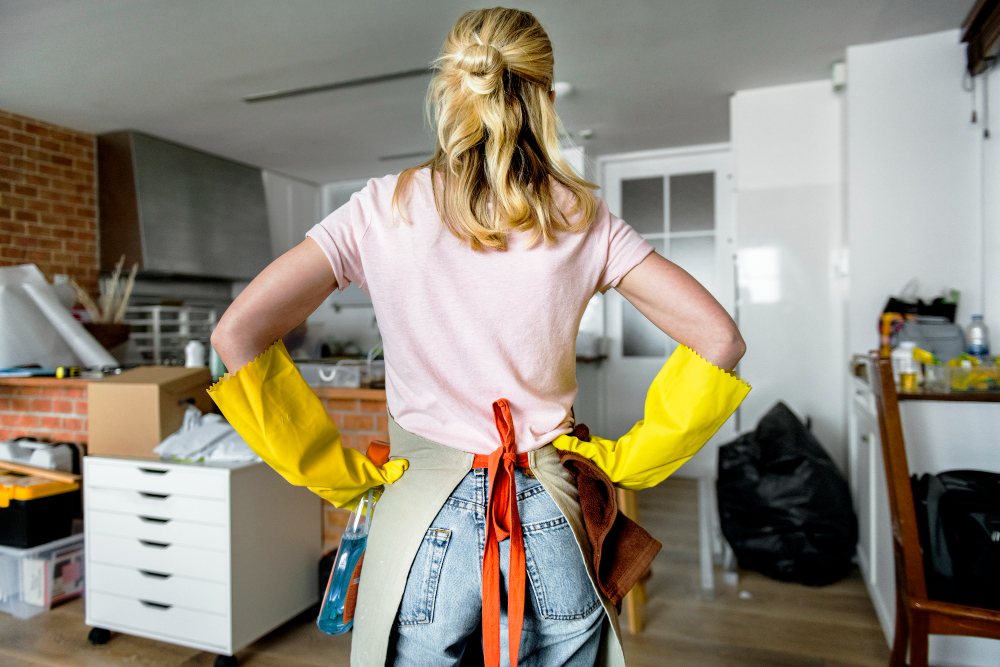
An empty home reveals every stain, scuff, and dust bunny that furniture previously hid. Start from the top down: wipe ceiling fans, light fixtures, and the tops of kitchen cabinets. Scrub bathrooms with disinfectant—previous occupants' hygiene standards are unknown. Clean inside every kitchen appliance: the oven, refrigerator shelves, dishwasher interior, and range hood filter. Steam-clean carpets or mop hardwood floors while they're fully exposed. If the home was recently renovated, construction dust may be embedded in HVAC vents—replace the furnace filter immediately. A professional deep clean for a three-bedroom Ottawa home typically costs $250–$450 and takes 4–6 hours. This is money extremely well spent for health and peace of mind.
Safety Checks and Lock Changes
Before anyone sleeps in the house, complete a basic safety audit. Test all smoke detectors and carbon monoxide alarms—replace batteries or entire units if they're older than ten years. Locate the main water shutoff valve, the electrical panel, and the gas shutoff (if applicable). Rekey or replace all exterior door locks, including the garage entry—previous owners, contractors, real estate agents, and their friends may all have copies. Check that all windows lock properly. Test the garage door's auto-reverse safety feature by placing an object in its path. If the home has a fireplace, schedule a chimney inspection before first use. These steps take only a few hours but could prevent disasters that cost thousands.
Painting and Minor Repairs
An empty house is the ideal canvas. Painting rooms before furniture arrives is five times faster than working around it and produces far better results. Choose low-VOC paints for healthier indoor air quality. Address minor repairs now: tighten loose cabinet hinges, replace cracked outlet covers, fix running toilets, and caulk gaps around bathtubs and sinks. If the previous owners left nail holes, patch them with spackling compound and sand smooth before painting. Check for sticky doors or drawers that may need planing. These small fixes cost almost nothing but dramatically improve daily comfort and prevent minor issues from becoming expensive problems months later.
Setting Up Utilities and Essential Services
Ensure electricity, gas, water, and internet are fully functional before moving day. In Ottawa, Hydro Ottawa handles electricity transfers online, while Enbridge Gas requires a phone call for gas service activation. Schedule internet installation at least one week in advance—Bell, Rogers, and smaller ISPs like TekSavvy often have multi-day wait times. Set your thermostat to a comfortable temperature the night before moving day so the house is welcoming when the crew arrives. If you're moving in winter, run faucets briefly to ensure pipes haven't frozen during vacancy. Forward your mail through Canada Post ($67.60 for a year) and update your address with key institutions including your bank, employer, and Service Ontario.
Planning Your Furniture Layout
Before the moving truck backs up to the driveway, know exactly where every major piece of furniture goes. Measure rooms and doorways with a tape measure and create a simple floor plan—even a hand-drawn sketch works. Mark each room with sticky notes indicating which boxes belong there. This saves the movers enormous time by eliminating "where does this go?" questions during unloading. Verify that large items—king beds, sectional sofas, oversized dressers—will physically fit through doorways, up staircases, and around corners. Many Ottawa homes, particularly older properties in The Glebe and Centretown, have narrow hallways and steep stairways that create bottlenecks for oversized pieces.
Local Expertise Section
Why This Matters for Ottawa and Gatineau Residents
Ottawa's climate makes pre-move preparation especially critical. If you're taking possession in winter (November through March), verify that the furnace is operational and the driveway is plowed before your movers arrive—ice on walkways creates liability and slows the entire operation. For homes with oil heating, common in rural Ottawa suburbs and parts of Gatineau, check the oil tank level and schedule a delivery if needed. Ottawa's older housing stock, particularly heritage homes in New Edinburgh and Rockcliffe, may have unique features like radiator heating systems and knob-and-tube wiring that require inspection before assuming everything works. Gatineau residents should note that Hydro-Québec operates separately from Hydro Ottawa, and utility transfers follow different procedures.
Internal Linking Section
Once the house is prepped and you're ready to unload, our guide on how to unpack efficiently in the first 72 hours provides a room-by-room strategy for turning chaos into a functional home fast. If you've just purchased your first property, our first-time home buyer moving guide covers the financial and logistical pitfalls unique to new homeowners. Renters leaving their old unit should also review our post-move cleaning guide for Ottawa renters to ensure they recover their full security deposit.
FAQ
Q: How many days before moving day should I prepare the new home?
A: Ideally, 2–3 days. If your closing and moving dates are the same day, try to get early key access or plan the move for the afternoon while you clean in the morning.
Q: Should I hire professional cleaners before moving in?
A: If the home is a resale, absolutely. Professional cleaners catch areas you'd miss—inside ducts, behind built-in appliances, and under sink cabinets. Budget $300–$450 for a thorough job.
Q: Do I need to change the locks even on a new-build home?
A: Yes. Construction workers, subcontractors, inspectors, and real estate agents have all had access. Rekeying costs approximately $80–$150 and eliminates a significant security risk.
Q: What's the most important utility to set up first?
A: Heating (in winter) or electricity (year-round). Without power, nothing else works—no lights, no fridge, no internet. Confirm activation at least 48 hours before moving day.
Q: Can I paint after moving in instead?
A: You can, but it's far more difficult and messy. Moving furniture, covering belongings, and working in occupied rooms triples the time and effort required.
Conclusion
The few days between getting the keys and moving your belongings in are a golden opportunity. Preparing your new home before moving in—from deep cleaning and safety checks to painting and utility setup—transforms an unfamiliar space into a welcoming, functional home from the very first night. Contact UpMove today to coordinate your move with precision, giving you the time and space to prepare your new Ottawa home properly before the first box arrives.


