

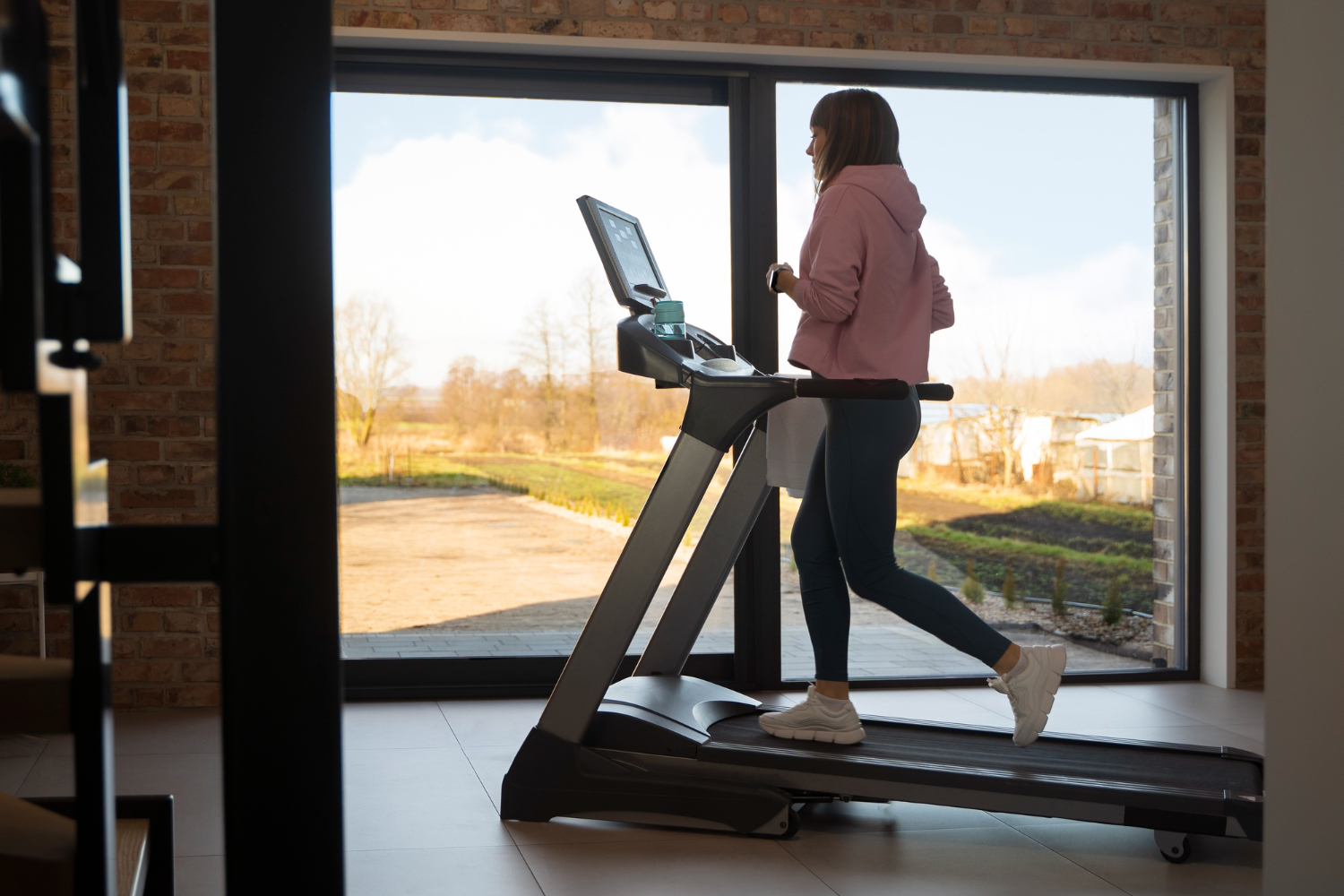
Moving a Home Gym: How to Safely Relocate Treadmills, Weights, and Equipment
Home gyms surged during the pandemic and haven't gone away. If you're one of the millions who invested in a treadmill, squat rack, weight set, or Peloton, you already know these items are among the heaviest, most awkward, and most damage-prone possessions in your home. A loaded barbell set can weigh 150+ kg. A commercial-grade treadmill tips the scales at 100–130 kg. And a squat rack doesn't fit through a standard doorway without disassembly.
This guide covers how to prepare, disassemble, transport, and reassemble every type of gym equipment — safely and without damaging your equipment, your floors, or your back.
Moving heavy equipment? Get a free quote from UpMove — our crew handles treadmills, squat racks, and heavy items daily.
Before You Start: The Assessment
Is It Worth Moving?
Not all gym equipment is worth the cost and effort of relocation. Ask yourself:
EquipmentReplacement CostMoving DifficultyWorth Moving?Premium treadmill (NordicTrack, Peloton)$2,000–$5,000High — heavy, complex fold mechanismYesBasic treadmill (budget brand)$300–$600Medium — still 50+ kgMaybe — compare moving cost to replacementOlympic weight set (300+ lbs)$500–$1,500High — extremely heavy per-itemYesSquat rack / power cage$400–$2,000High — must disassemble, heavy steelYesDumbbells (adjustable set)$200–$800Low — just heavyYesYoga mats, bands, small accessories$20–$100TrivialYes — pack in a boxOld exercise bike (basic model)$100–$200LowMaybe not — sell and rebuy
Measure Everything
Before you start disassembling, measure:
- Doorway widths at both old and new homes
- Stairway turning radius (if the gym is in a basement)
- Elevator dimensions (if applicable — see elevator booking guidelines)
- Truck loading ramp clearance
Many basement gyms in Ottawa involve narrow basement stairways with a 90-degree turn at the bottom. If your equipment doesn't clear this angle, you may need to disassemble further or hoist items through a basement window.
Equipment-by-Equipment Moving Guide
Treadmills
Treadmills are the most commonly damaged gym item during a move. They have electronic components, motors, belts, and incline mechanisms that are sensitive to impact and tilting.
Steps:
- Unplug and wait 10 minutes — capacitors hold charge
- Remove the safety key and pack it separately (you'll forget otherwise)
- Fold the deck up (for folding models) and engage the lock pin
- Secure the handrails — wrap with stretch film or tie with soft rope
- Cover the console — bubble wrap over the display to prevent cracks
- Move upright — most treadmills are designed to be rolled when folded. Use the built-in transport wheels
- On the truck: stand upright, strap securely to the wall. Never lay flat — the motor and belt mechanism can shift
For non-folding commercial treadmills (100+ kg):
- This is a two-to-three person job minimum
- Use a furniture dolly with straps
- Navigate stairs with the motor end going down first
- Consider having movers handle this — see how to move heavy furniture safely
Ellipticals and Stair Climbers
- Remove pedals and handlebars if they detach (check manufacturer's manual)
- Disconnect the console and pack electronics separately
- Wrap the flywheel area — this is the heaviest part
- Transport upright whenever possible
Peloton / Smart Bikes
Peloton provides official moving guidelines:
1. Use the Peloton screen lock feature
2. Remove and pack the touchscreen separately (the most expensive part to replace)
3. Unlock and lower the handlebars and seat to minimum positions
4. Use the front transport wheels to roll (do not lift by the screen frame)
5. On the truck: strap upright, screen wrapped in blankets
Squat Racks and Power Cages
These must be disassembled:
- Remove all attachments — pull-up bars, safety arms, J-hooks, cable pulleys
- Label every bolt and part — bag hardware and tape to the corresponding crossbar
- Photograph the assembly from multiple angles before taking anything apart
- Disassemble into flat sections — uprights, crossbars, base frame
- Wrap steel components in moving blankets — bare metal scratches everything it touches
Reassembly tip: Most racks go back together in 30–60 minutes with two people and the photos you took during disassembly.
Don't risk your back on a 200 lb squat rack. Let UpMove handle the heavy lifting — free quote for your Ottawa move.
Free Weights and Barbells
The challenge isn't complexity — it's pure weight. A standard Olympic weight set with barbell weighs 130–180 kg total.
Packing:
- Never put all weights in one box — the box will fail. Max 15–20 kg per box.
- Use small, heavy-duty boxes — liquor store boxes (double-walled) work well
- Or use plastic storage bins — they're stronger than cardboard for weight
- Barbells are transported unwrapped — just strap them to the truck wall
- Dumbbells can be wrapped in towels and placed in bins
For cheap packing materials, see where to find free packing materials in Ottawa.
Rubber Floor Mats / Gym Flooring
- Interlocking tiles: pop apart, stack flat, and strap together
- Rolled rubber mats: roll tightly and secure with ratchet straps or bungee cords
- Horse stall mats (4x6 ft, 100 lbs each): these are brutally heavy. Use a dolly and have two people per mat. Transport flat in the truck base — they make great floor protection for the rest of your load.
Protecting Floors During Gym Equipment Moves
A 100 kg treadmill on caster wheels will destroy hardwood floors, scratch tile, and dent laminate. Floor protection is essential.
- Lay Masonite sheets or heavy cardboard along the entire path from the gym room to the truck
- Use plywood at the door threshold where elevation changes occur
- Never drag — always roll on dollies with rubber wheels
For comprehensive floor protection advice, see our preventing property damage during a move guide.
Setting Up the Gym at Your New Home
Location Considerations
- Basement: Most common in Ottawa homes. Watch for ceiling height (7 ft minimum for overhead press and pull-ups), moisture levels, and floor load capacity.
- Garage: Popular but cold in Ottawa winters. Insulate and heat if you plan to train year-round. Cold rubber mats become slippery.
- Spare room: Works for lighter equipment (bikes, dumbbells, yoga). Check floor load ratings for weight sets — most residential floors support 40–50 lbs/sq ft.
Reassembly Order
- Floor mats first — protect the floor before anything heavy goes down
- Largest equipment — squat rack, power cage, treadmill (these define the room layout)
- Mirrors — mount after equipment placement is finalized
- Accessories — bands, ropes, small equipment, storage hooks
Cost Considerations
ScenarioEstimated CostFull gym moved by professionals (1 BR worth of equipment)$200–$500 additional to base moveSpecialty equipment only (movers just handle the treadmill/rack)$100–$250DIY with rental dolly and a friend$50–$100 + pizza + risk
Most moving companies charge extra for items over 100 kg or items requiring extensive disassembly. Discuss your gym inventory during the quoting process. See our pricing page for base rates.
Frequently Asked Questions
Can moving damage a treadmill motor?
Yes — if the treadmill is dropped, transported on its side for extended periods, or exposed to extreme cold. Motors, belts, and electronic consoles are the most vulnerable components. Transport upright and avoid impacts.
Should I hire specialty movers for gym equipment?
For a home gym valued over $3,000 or containing commercial-grade equipment, the cost of professional movers is well worth it. A standard moving crew can handle most home gym items with advance notice about weights and dimensions.
How do I move a home gym from a basement with narrow stairs?
Disassemble everything possible. Move individual weight plates (not loaded bars). For equipment that can't be disassembled small enough, measure the stairway turning radius and compare to equipment dimensions. In extreme cases, equipment may need to exit through a basement window.
Can I leave weight plates on the barbell for transport?
No. Always remove plates and transport the barbell and plates separately. A loaded barbell is dangerously unwieldy and can cause serious injury if it shifts during carrying.
Do I need to recalibrate my treadmill after moving?
Most modern treadmills auto-calibrate. If the belt feels off, check alignment and tension per the manufacturer's manual. Some commercial models require a technician reset.
Heavy equipment? Heavy duty movers. Get a free quote from UpMove — we move treadmills, racks, and everything in between across Ottawa–Gatineau.


