

How to Move Heavy Furniture Safely Without Injury
Introduction
Back injuries are the most common moving-related medical issue, and most happen not from professional movers, but from well-intentioned DIYers who underestimate the physics of a 200-pound dresser. Whether you're trying to save money or just moving a few items between rooms, knowing how to move heavy furniture safely is essential. This guide focuses on technique, tools, and smart planning to protect your body while relocating large, awkward items in Ottawa homes—from narrow Victorian staircases to tight condo hallways.
Main Sections
Proper Lifting Technique: Legs, Not Back
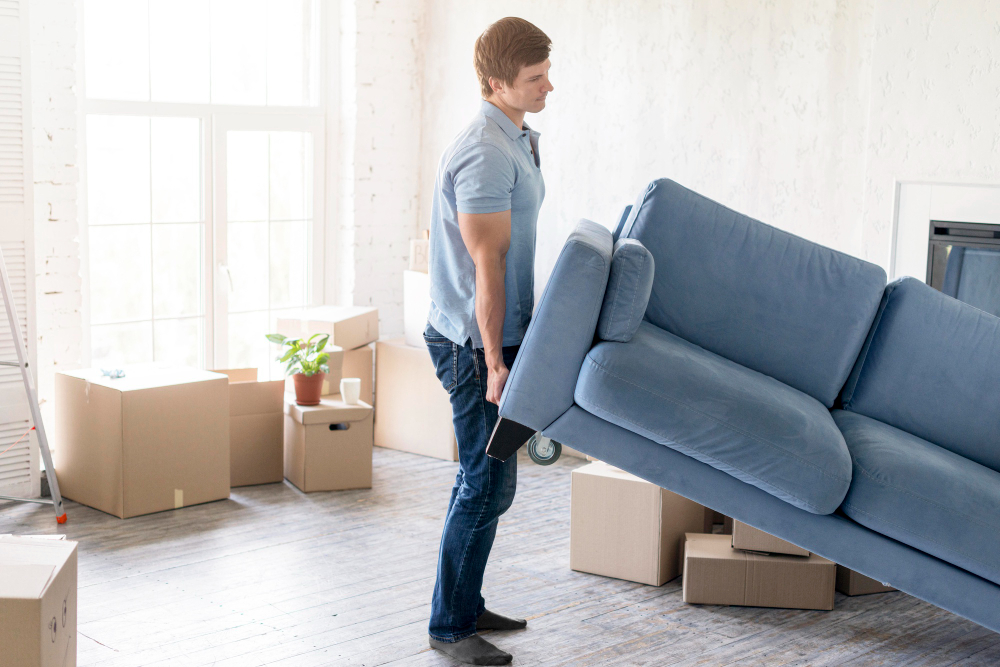
The golden rule: lift with your legs, not your back. Squat down, keep your back straight, grip the furniture from underneath, and push up with your leg muscles. Never bend at the waist and lift—that's how herniated discs happen. Keep the item close to your body; the farther it extends from your core, the more strain on your spine. If you're lifting with a partner, communicate clearly: "On three, we lift." Ensure both people are lifting simultaneously and moving at the same pace. Mismatched timing causes one person to bear disproportionate weight, leading to injury.
Essential Equipment: Dollies, Sliders, and Straps
Don't use brute strength when physics can do the work. A furniture dolly ($30–$50 from Canadian Tire or Home Depot) transforms an exhausting carry into a simple push. Place the dolly under the furniture's center of gravity, secure it with straps, and wheel it smoothly. For items that can't be lifted onto a dolly—like a dresser or piano—use furniture sliders. These felt or plastic pads go under the legs, allowing you to slide heavy items across floors without scratching or lifting. Moving straps (also called "lifting straps" or "shoulder dollies") distribute weight across your shoulders and legs, making two people as effective as four.
Disassembly: Work Smarter, Not Harder
Many furniture pieces are easier to move in parts. Remove dresser drawers and carry them separately—lighter and less awkward. Take legs off couches, tables, and bed frames. Remove shelves from bookcases. Not only does this reduce weight, but it also allows furniture to fit through doorways and around corners that would otherwise block the fully assembled piece. Keep screws and hardware in labeled Ziploc bags taped to the corresponding furniture piece. Ottawa's older homes often have narrow doorways (28–30 inches), making disassembly non-negotiable for many items.
Planning the Route and Clearing Obstacles
Before you lift, walk the path from origin to destination. Measure doorways, hallway widths, and stairwell turns. Remove door hardware if necessary—taking a door off its hinges adds 3–4 inches of clearance. Clear the route of rugs, shoes, pets, and children. In winter, shovel and salt walkways before carrying furniture outside—slipping on ice while holding a couch is a hospital visit waiting to happen. If you're navigating stairs, the person at the bottom bears more weight, so the stronger person should be downstairs, lifting upward.
Know Your Limits and When to Call Professionals
Some items simply shouldn't be DIYed. Pianos, gun safes, oversized appliances, and slate pool tables require specialized equipment and expertise. If you have pre-existing back issues, are over 50, or are moving items heavier than about 100 pounds, hiring professionals is cheaper than medical bills and lost work days. Ottawa movers charge hourly rates starting around $100–$150/hour for two movers and a truck—often worth it for just the heavy items, even if you move the boxes yourself.
Local Expertise Section
Why This Matters for Ottawa and Gatineau Residents
Ottawa's housing stock includes many heritage homes with steep, narrow staircases and tight corners, particularly in neighborhoods like The Glebe, Sandy Hill, and New Edinburgh. These architectural quirks make moving heavy furniture particularly challenging. Additionally, winter ice and snow create slip hazards that dramatically increase injury risk. Many Ottawa hospitals report spikes in moving-related injuries during the summer and at month-end. Gatineau's older row houses in Hull and Aylmer present similar challenges, often with exterior staircases that become ice rinks in December.
Internal Linking Section
If you're planning a DIY move beyond just furniture, our Ottawa moving checklist ensures you don't forget critical steps. For students on tight budgets considering self-moves, our student moving guide offers budget-friendly alternatives. If you're moving a piano or other specialty item, see our dedicated guide on how to move a piano safely—these require professional expertise beyond standard heavy furniture.
FAQ
Q: How much can I safely lift alone?
A: The general guideline is no more than 50 pounds for most adults without specialized training. Anything heavier requires a partner or mechanical assistance.
Q: What's the best way to move a couch through a narrow doorway?
A: Turn it vertically (on its end) so the smallest cross-section goes through first. This "hook" maneuver works for most standard doorways.
Q: Can I use a regular hand truck for furniture?
A: A standard hand truck works for stacked boxes but is unstable for wide, heavy furniture. Invest in or rent a furniture dolly with a flat platform and four wheels.
Q: Should I empty dressers and cabinets before moving them?
A: Always. Moving a dresser full of clothes quintuples its weight and shifts the center of gravity, making it dangerous and increasing the risk of drawer damage.
Q: How do I protect my hardwood floors when moving heavy items?
A: Use furniture sliders, lay down cardboard runners, or use moving blankets under the dolly wheels. Never drag furniture directly across hardwood.
Conclusion
Moving heavy furniture safely is about preparation, proper tools, and knowing your physical limits. It's not a test of strength—it's an exercise in smart problem-solving. Protect your back, your floors, and your belongings by working smarter, not harder. If you'd rather leave it to the pros, UpMove connects you with affordable Ottawa movers for hourly labor, so you can get help with just the heavy lifting without paying for a full-service move.


