

How to Move Appliances Safely: Fridge, Washer, and Dryer Guide
Introduction
That stainless-steel refrigerator weighs 250 pounds, contains a sealed refrigerant system, and will leak water across your hardwood floors if disconnected improperly. Your front-load washer has a drum suspension that can shatter during transport without transit bolts. These aren't items you toss in a truck and hope for the best. Moving appliances safely requires specific preparation steps that differ for each machine, and skipping any of them risks expensive damage or personal injury. Whether you're relocating across Ottawa from Barrhaven to Orléans or just shifting a dryer to the basement, this guide breaks down the exact process for every major household appliance—protecting both your equipment and your back.
Main Sections
Preparing Your Refrigerator for Moving Day
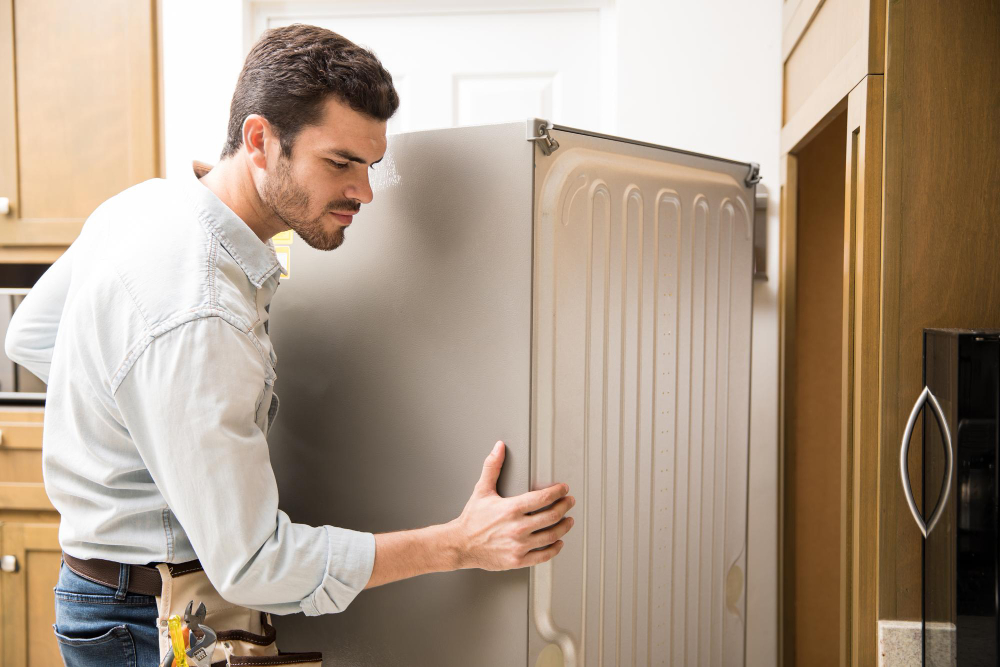
Refrigerators need 24–48 hours of preparation before a move. Start by consuming or donating perishable food and emptying both the fridge and freezer completely. Unplug the unit and leave both doors open to allow full defrosting—place towels around the base to catch melt water. Once defrosted, clean the interior with a baking soda solution to prevent mold during transit. Remove or secure shelves, drawers, and ice maker trays with tape. Coil the power cord and water line, securing them to the back with tape so they don't drag or catch. On moving day, keep the refrigerator upright at all times—tilting it beyond 45 degrees can cause compressor oil to leak into the cooling lines, potentially destroying the unit. After delivery, wait 4–6 hours before plugging it back in to allow the oil to settle.
Securing Washers and Dryers for Transport
Front-load washing machines are the most damage-prone appliance during a move. The drum is suspended on shock absorbers designed for gentle agitation, not road vibration. Before moving, you must install transit bolts—the steel pins that lock the drum in place. These typically come with the machine when purchased; if you've lost them, order replacements from the manufacturer for $15–$30 (a fraction of the $800+ repair cost for a damaged drum bearing). Disconnect the water supply hoses and drain any remaining water by running a short spin cycle before unplugging. For dryers, disconnect the vent hose and power cord. Gas dryers require special attention—have the gas line professionally disconnected; never attempt this yourself. Both washers and dryers should be wrapped in moving blankets and secured upright in the truck.
Moving Stoves, Ovens, and Ranges
Electric stoves are relatively straightforward: unplug, clean, remove racks, and secure the door with tape or a bungee cord. Gas stoves, however, require a licensed technician to disconnect the gas line safely—this typically costs $50–$100 in Ottawa. Never disconnect a gas line yourself; an improper seal can cause a gas leak that won't be detected until it's dangerous. After disconnection, cap the gas line and confirm no residual gas smell before moving the unit. Protect the cooktop surface with cardboard and moving blankets, as glass and ceramic tops are extremely fragile. When loading, place the stove upright and wedge it tightly between other items to prevent shifting during transport.
Handling Dishwashers and Small Appliances
Dishwashers are hardwired into your kitchen plumbing and electrical system. Start by running an empty cycle with a cleaning tablet to drain all water. Turn off the water supply valve under the sink, disconnect the drain hose, and unplug or disconnect the electrical supply. Slide the unit out carefully—dishwashers are secured with mounting brackets under the countertop that must be unscrewed first. Wrap the unit in blankets and transport it upright. For smaller appliances—microwaves, stand mixers, coffee machines—remove all detachable parts and pack them separately in labelled boxes with adequate padding. Wrap cords around the appliance body and secure with rubber bands. Small appliances are best placed in medium boxes surrounded by packing paper or bubble wrap.
Protecting Floors and Doorways During Appliance Moves
Appliances are heavy, bulky, and have sharp edges that will gouge hardwood floors and scrape door frames without protection. Use an appliance dolly—not a regular hand truck—which has a strap to secure the unit and rubber wheels that distribute weight. Place cardboard runners or floor protectors along the entire path from the appliance's current position to the truck. Remove doors from hinges if the doorway is too narrow for the appliance plus the dolly. In Ottawa's older homes, particularly those in Centretown and Old Ottawa South, interior doorways can be as narrow as 28 inches, which barely accommodates a standard 30-inch refrigerator. Measure both your appliances and every doorway along the path before moving day, and have a plan for tight spots.
Local Expertise Section
Why This Matters for Ottawa and Gatineau Residents
Ottawa homes feature a wide range of appliance configurations that affect moving logistics. Older homes in established neighborhoods like The Glebe often have basement laundry rooms accessed by steep, narrow staircases—moving a washer down these stairs is a two-person minimum job requiring specialized strapping. Many Gatineau properties use oil or propane for heating and cooking, which means different disconnection procedures than Ottawa's predominantly natural gas and electric systems. Additionally, Ottawa's winter conditions add complexity: moving a refrigerator through snow and ice requires cleared pathways and extra caution, as condensation from the cold-to-warm transition can make the exterior dangerously slippery. If you're moving appliances between November and March, factor in extra time for weather-related delays.
Internal Linking Section
Appliances are among the heaviest items in any home—our guide on how to move heavy furniture safely without injury covers the lifting techniques and tools that apply to refrigerators and washers too. Make sure you have the right protective materials on hand by reviewing our essential packing supplies for stress-free moving checklist. If you're also moving a home office alongside your appliances, our guide on how to pack and move a home office covers the careful handling that electronics and sensitive equipment demand.
FAQ
Q: Can I lay a refrigerator on its side during transport?
A: It's strongly discouraged. If absolutely necessary, lay it on the side opposite the compressor (usually the right side) and wait 24 hours before plugging in to allow oil to redistribute.
Q: Where can I buy washing machine transit bolts?
A: Contact the manufacturer or check their website. You can also find universal transit bolt kits at appliance stores and online retailers for $15–$30.
Q: Do movers handle gas line disconnections?
A: No. Gas lines must be disconnected by a licensed gas technician. Schedule this service 1–2 days before your move. Most Ottawa HVAC companies offer this service.
Q: Should I clean appliances before moving them?
A: Yes. A clean appliance prevents mold growth during transit, eliminates odors in the moving truck, and avoids transporting grease and food residue into your new home.
Q: Is it worth moving old appliances or should I buy new ones?
A: If your appliances are less than 5 years old, moving them is worthwhile. Older units nearing end-of-life may cost more to move than to replace, especially if the new home has different configurations.
Conclusion
Your kitchen and laundry appliances represent thousands of dollars in investment, and moving appliances safely protects that investment while preventing injury and property damage. From defrosting the fridge 48 hours early to installing transit bolts in the washer, every preparation step matters. Contact UpMove for a free quote—our Ottawa crews bring appliance dollies, floor protection, and the expertise to move your heaviest household items without a scratch.


