

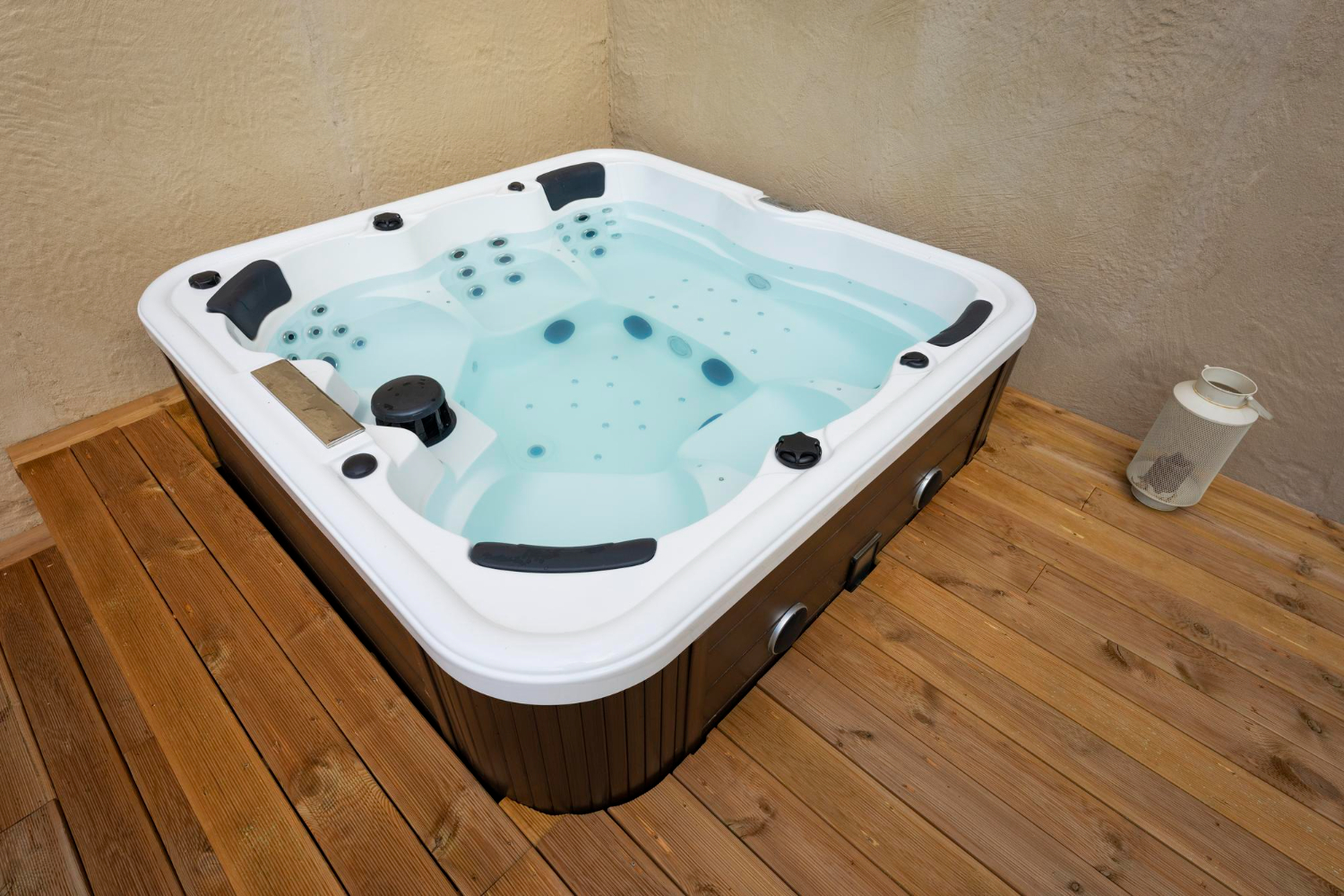
How to Move a Hot Tub in Ottawa: Step-by-Step Guide
Why Hot Tubs Are One of the Hardest Items to Move
A standard hot tub weighs between 300 and 500 pounds empty. Fill it with water, and you’re looking at over 3,000 pounds. Even drained and disconnected, moving a hot tub in Ottawa is one of the most physically demanding tasks in any residential relocation.
Weight, Size, and Electrical Complications
Most hot tubs measure at least 2 metres across and won’t fit through a standard doorway, gate, or side yard without careful manoeuvring. They’re built from a rigid acrylic shell bonded to a foam-insulated frame — bulky, awkward, and impossible to grip without the right equipment.
Then there’s the electrical side. Hot tubs run on either a 120V or 240V dedicated circuit. A 240V unit is hardwired directly into your electrical panel, which means a licensed electrician needs to disconnect it before the movers arrive — and reconnect it at your new home. Skipping this step risks electrical damage or voiding your warranty entirely.
Common Damage Risks
Here’s what goes wrong most often during a hot tub move:
- Shell cracks from improper tilting or setting the tub down on an uneven surface
- Pump and jet failure caused by jostling internal plumbing loose during transport
- Wiring damage from pulling or crimping electrical lines during disconnection
- Cosmetic scratches from dragging the tub across concrete, gravel, or deck boards
The shell is the biggest concern. A cracked acrylic shell can’t be patched cheaply — you’re looking at hundreds of dollars in repair, or a write-off if the crack reaches the foam layer beneath.
That’s why hot tub relocation isn’t a “grab a few friends and figure it out” job. It takes planning, the right tools, and ideally a crew that’s moved one before.
How to Prepare Your Hot Tub for Moving Day
Preparation starts well before the truck pulls up. Give yourself at least 48 hours of lead time — rushing this process is how things break.
Draining and Cleaning (48 Hours Before)
Turn off the heater first. Let the water cool to a safe temperature, then attach a garden hose to the drain valve and direct the water away from your foundation. Most tubs take 1–2 hours to drain fully.
Once empty, wipe down the interior with a non-abrasive cleaner to remove any residue. This prevents mould from developing during transport, especially if the tub will sit in storage or a garage for a few days before reinstallation.
Leave the drain open and the jets running briefly (with the pumps off) to push remaining water out of the lines. Trapped water freezes in an Ottawa winter and cracks plumbing from the inside.
Disconnecting Electrical and Plumbing
For 120V plug-in models, simply unplug the unit and coil the cord securely.
For 240V hardwired units, hire a licensed electrician. This is not optional. Disconnecting a hardwired hot tub yourself can result in electrical shock, code violations, or damage to the GFCI breaker. Budget $100–$200 for disconnect and reconnect combined.
If your tub has a permanent plumbing connection (rare for residential units), a plumber will need to cap the lines.
Removing the Cover and Accessories
Take off the spa cover, side panels, headrests, and any detachable features. Wrap these separately in moving blankets or shrink wrap. Side panels are particularly fragile — thin wood or composite that snaps easily if stacked against hard surfaces.
Bag all screws, clips, and hardware in a labelled zip-lock bag and tape it to the inside of the tub so nothing goes missing.
Equipment You’ll Need
Furniture Dollies, Straps, and Plywood Runners
Moving a hot tub requires more than muscle. Here’s the gear list:
- Furniture dolly or appliance dolly — rated for at least 600 pounds
- Ratchet straps (minimum 4) — to secure the tub on the dolly and in the truck
- Plywood sheets (¾-inch) — to create a smooth runway across grass, gravel, or deck boards
- Moving blankets — to wrap the shell and prevent scratches during transport
- Work gloves with grip — the acrylic surface is slippery
If you’re crossing a lawn or deck, lay the plywood down as a path. Rolling a 400-pound tub across grass will sink the dolly wheels instantly. For a full rundown of what moving supplies to have ready, check our packing supplies checklist.
If you’re also clearing out outdoor equipment, tools, or seasonal gear along with the tub, our guide to packing your garage and outdoor items covers everything you need.
Why a Standard Pickup Truck Won’t Work
A hot tub doesn’t fit in a standard 6.5-foot truck bed. Even a full-size 8-foot bed is too narrow for most models. You need a flatbed trailer or a moving truck with a ramp — and the truck bed must be rated for the weight.
Trying to angle a hot tub into a pickup risks cracking the shell at the stress points. Don’t do it.
Step-by-Step: Moving the Hot Tub
Positioning and Tilting Safely
With the tub drained, cleaned, and disconnected, position your dolly on one side. You’ll need at least four people for this part.
- Tilt the tub onto its side — slowly, with one person bracing the opposite edge
- Slide the dolly underneath the bottom
- Strap the tub to the dolly at two points minimum
- Test the balance before moving — if it wobbles, reposition the dolly
Never tilt a hot tub face-down. The jet nozzles and control panel will take the weight and crack.
Loading Onto the Truck
Roll the dolly along your plywood runway to the truck ramp. Keep the pace slow and controlled. One person guides from the front, two push from behind, and one watches the sides for clearance.
Use the truck ramp at the lowest angle possible. If the ramp is steep, rig a pull-strap from the dolly to the inside of the truck for added control.
Securing for Transport
Once loaded, position the tub against the front wall of the truck. Secure it with ratchet straps at four points — two across the top, two around the base. The tub shouldn’t shift at all when you push against it. Lay moving blankets between the tub and any other cargo to prevent scratching.
Reinstalling Your Hot Tub at the New Location
Site Preparation
Your new hot tub pad needs to be in place before the tub arrives. Options include:
- Poured concrete pad (most durable, best for permanent placement)
- Reinforced deck (check the weight rating — tub + water + people can exceed 4,000 pounds)
- Compacted gravel base with patio stones (budget-friendly for level ground)
The pad must be level within 1 centimetre in all directions. An uneven surface stresses the shell and can crack it over months.
Ensure your electrician has the new 240V circuit ready or the 120V outlet is within cord reach. A GFCI breaker is required by the Ontario Electrical Safety Code for all outdoor hot tub installations.
Filling, Heating, and Chemical Balancing
Fill using a garden hose with a pre-filter to reduce sediment. It takes 2–4 hours to fill a standard tub, and another 12–24 hours for the heater to bring the water to temperature.
Test the water chemistry before your first soak:
- pH: 7.2–7.8
- Alkalinity: 80–120 ppm
- Sanitizer (chlorine or bromine): per manufacturer’s instructions
Run the jets for 15 minutes to flush any stale water from the lines. Then relax — you’ve earned it.
Should You Hire Professionals?
Cost of DIY vs. Professional Hot Tub Moving in Ottawa
DIY hot tub moving costs between $100–$300 when you factor in dolly rental, plywood, straps, and an electrician. But that doesn’t include the risk of damage — a cracked shell can cost $500–$1,500 to repair, or force a total replacement.
Professional hot tub moving in Ottawa typically runs $400–$800 depending on distance, access difficulty, and whether stairs or tight pathways are involved.
For a clear picture of what your move will cost, start with getting an accurate moving quote that includes all specialty items.
When to Call a Moving Company
Consider hiring professionals if any of these apply:
- Your tub weighs over 400 pounds empty
- You need to cross stairs, a deck, or a slope
- The pathway from backyard to truck is narrow or obstructed
- You’re moving the tub more than a few blocks
- Your tub is hardwired to a 240V circuit
A licensed, experienced moving crew brings the right dolly, blankets, straps, and manpower — and they carry liability insurance in case something goes wrong. If you’re still choosing a mover, our guide on hiring licensed movers in Ottawa walks you through the vetting process.
Frequently Asked Questions
Can I move a hot tub by myself?
Technically yes, if it’s a lightweight 2-person tub under 300 pounds. For anything larger, you need at least four people and proper equipment. The risk of injury or shell damage makes solo attempts a bad idea.
How long does it take to move a hot tub?
Budget 3–5 hours total: 1 hour to prepare and disconnect, 1–2 hours to load and transport, and 1–2 hours to unload and position. Reconnecting the electrical and filling with water adds another day.
Do regular movers handle hot tubs?
Some full-service moving companies include hot tub relocation, but many don’t. Always ask specifically — and confirm they have the right equipment and insurance for oversized items.
What’s the best time of year to move a hot tub in Ottawa?
Late spring through early fall is ideal. Frozen ground, ice, and snow in winter create additional hazards for carrying heavy, awkward loads across a yard. If you must move in winter, clear and salt all pathways thoroughly.
Should I drain the hot tub the night before or the morning of?
Drain it 48 hours ahead. This gives you time to clean the interior, flush the lines, and let any residual water dry — especially important for winter moves where trapped water can freeze.


