

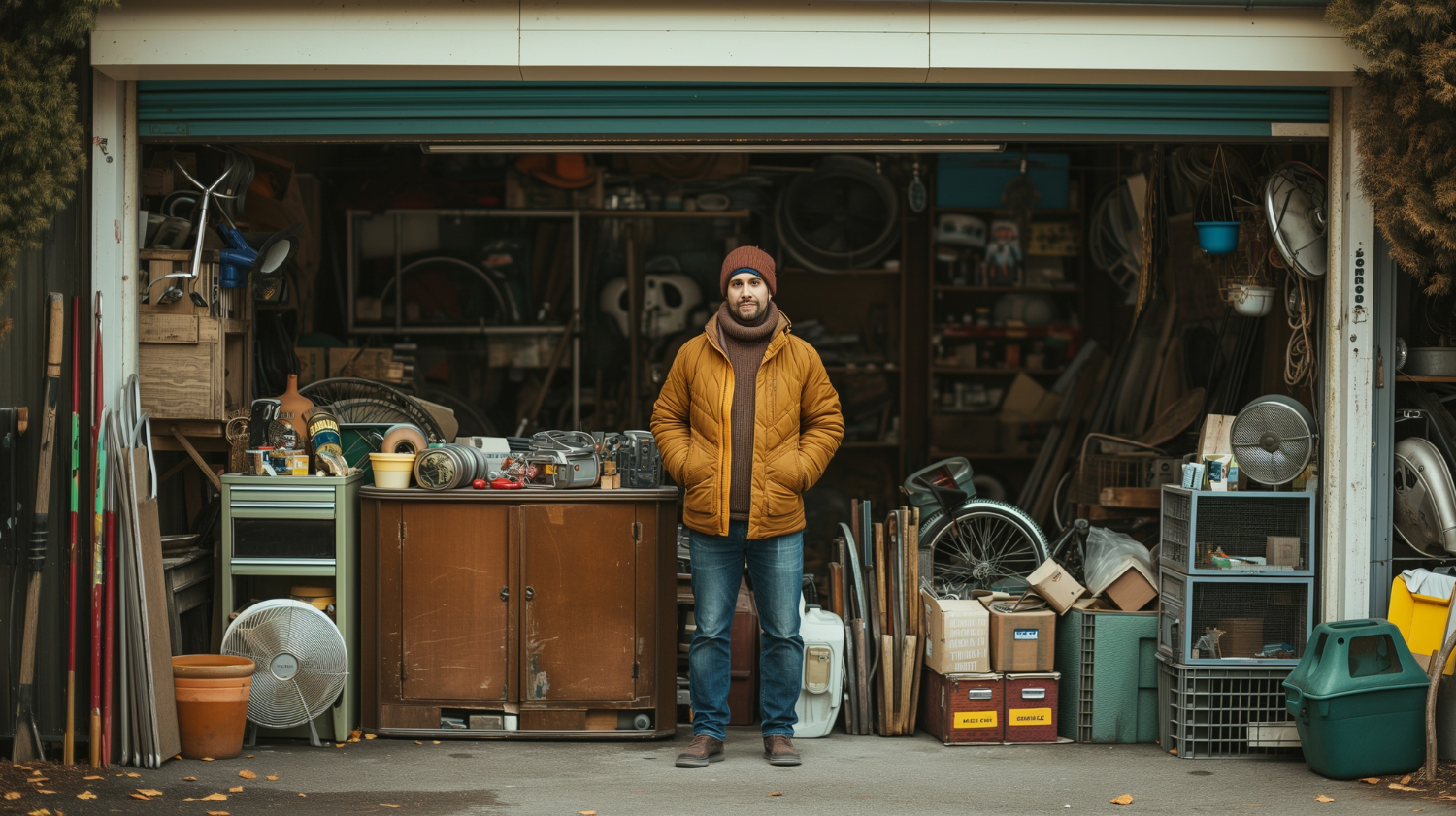
How to Pack and Move a Garage or Shed: The Forgotten Room
Why the Garage Is Always the Last Room Packed
You’ve labelled every kitchen box, wrapped every picture frame, and colour-coded the kids’ rooms. Then you open the garage door and realize you haven’t touched it. Sound familiar?
The “Out of Sight, Out of Mind” Problem
Garages and sheds live outside your daily routine. You walk through the garage to get to the car, maybe grab a shovel in winter, but you’re not thinking about what’s hiding on those shelves. Until moving week arrives and you’re staring at ten years of accumulated tools, paint cans, holiday decorations, and mystery boxes.
Most people seriously underestimate the garage. If you’re working from an 8-week moving timeline, slot the garage into week 5 or 6 — not the night before.
Why Garages Take Longer Than You Expect
Garages contain heavy, awkward, and sometimes hazardous items that don’t pack like bedroom linens. Power tools need batteries removed. Lawn equipment needs fuel drained. Shelving units need disassembly. And half of what’s in there probably shouldn’t move with you at all.
Plan a full day just for the garage. If you have a shed, add another half-day.
Sort Before You Pack: The Garage Cleanout
Keep, Donate, Dispose, Sell
Before packing a single box, pull everything out of the garage and sort it into four piles:
- Keep: Tools you use regularly, seasonal equipment in good condition, sports gear the family still needs
- Donate: Working tools or equipment you no longer use (Habitat for Humanity ReStore in Ottawa accepts tools, hardware, and building materials)
- Dispose: Broken items, rusty hardware, dried-out paint, expired chemicals
- Sell: Valuable items you don’t need — list them on Facebook Marketplace or Kijiji at least 3 weeks before your move
This step alone can cut your garage packing time in half. For a deeper dive into decluttering and where to donate in Ottawa, check our junk removal and donation guide.
Ottawa Hazardous Waste Drop-Off Locations
The City of Ottawa operates Household Hazardous Waste Depots (also called Take It Back events) at the Trail Road Landfill on Trail Road and seasonal drop-off events across the city. They accept:
- Paint and wood stain
- Solvents and thinners
- Pesticides and herbicides
- Propane tanks (small and standard)
- Motor oil and antifreeze
- Batteries (all types)
Check ottawa.ca for current depot hours and seasonal event schedules. Don’t leave this for moving week — depots can have long lines during spring and summer.
Packing Power Tools and Hand Tools
Removing Batteries and Blades
Before packing any cordless tool, remove the battery. Loose lithium batteries in a hot moving truck are a fire risk. Pack batteries separately in a padded box with terminals taped over.
For tools with blades — circular saws, reciprocating saws, jigsaws — retract or remove the blade. Wrap it in cardboard and tape it separately. A loose blade inside a toolbox is a moving-day injury waiting to happen.
Wrapping and Boxing Techniques
- Cordless drills and drivers: Wrap in a towel or moving blanket, then place in the original case or a small box
- Hand tools (hammers, wrenches, pliers): Stand them upright in a 5-gallon bucket or tool tote. This keeps them organized and prevents them from rattling around
- Socket sets and bit kits: Close the case, tape it shut, and pack it flat in a medium box
- Larger tools (table saws, mitre saws): Lock all moving parts, wrap in a moving blanket, and load flat in the truck. Don’t stack heavy items on top
Label every box clearly: “GARAGE — TOOLS — HEAVY.” Your movers (and your back) will thank you.
Moving Lawn Mowers, Snow Blowers, and Garden Equipment
Draining Fuel and Oil
This is the most important step and the one people skip most often. Movers cannot transport equipment with gasoline or oil in the tank. It’s a safety regulation, not a preference.
For lawn mowers and snow blowers:
- Run the engine until the fuel tank is nearly empty
- Drain remaining fuel into an approved container
- Drain the oil into a separate container
- Dispose of both at an Ottawa Hazardous Waste Depot
If you have a riding mower, disconnect the battery as well.
If you’re moving a hot tub, spa, or other outdoor equipment at the same time, our guide to moving a hot tub or spa covers the disconnection and transport process.
Securing Moving Parts
- Lawn mower: Fold the handle down, tape the bag in place, lock the blade guard
- Snow blower: Secure the chute in a straight position, tie down the handlebars
- Wheelbarrow: Stand upright against the truck wall and strap it in place
- Garden hoses: Drain fully, coil, and secure with a zip tie or hose reel
Items Movers Won’t Transport
Gasoline, Propane Tanks, Pesticides, and Paint
Every reputable moving company has a prohibited items list. For garage items, the biggest categories are:
- Gasoline and fuel containers (even “empty” ones contain flammable vapour)
- Propane tanks (including small camping canisters)
- Pesticides, herbicides, and rodent poison
- Paint thinners, solvents, and turpentine
- Aerosol cans under pressure (spray paint, lubricants)
- Ammunition and firearms (separate transport rules apply)
If you find these items in your garage, don’t panic. For a complete breakdown of restricted items and what to do with them, see our guide on moving hazardous items.
Safe Alternatives for Disposal in Ottawa
- Trail Road Landfill (open year-round) accepts most hazardous household waste
- Take It Back events run seasonally at various locations across Ottawa
- Retail take-back programs: Canadian Tire accepts used motor oil and batteries; some hardware stores accept leftover paint through Product Care
Use up what you can before the move. Give usable items to neighbours. Anything left over goes to the depot — not in the moving truck.
Packing Shelving, Workbenches, and Storage Systems
Disassembly Tips and Hardware Bagging
Metal shelving units (the kind with adjustable shelves and bolt-together frames) disassemble quickly:
- Empty all shelves
- Remove shelves from the uprights
- Unbolt the frame
- Bundle uprights together with tape or straps
- Stack shelves flat
For workbenches, remove drawers and detach legs if the design allows it. Wrap the top surface in a moving blanket to prevent scratches.
Critical step: bag all bolts, screws, nuts, and clips in a labelled zip-lock bag. Tape the bag to the largest piece of the unit. Losing hardware means a frustrating trip to the hardware store when you’re reassembling at the new house.
For all your packing supply needs — from tape and bagging materials to furniture blankets — our packing supplies checklist has the complete list.
Frequently Asked Questions
How early should I start packing the garage?
At least 2–3 weeks before moving day. The garage takes longer than most rooms because of hazardous waste disposal, fuel draining, and disassembly. Start with the sort-and-declutter phase first.
Can movers pack my garage for me?
Yes — most full-service moving companies offer garage packing. However, they still can’t transport hazardous items. You’ll need to handle fuel, chemicals, and propane disposal yourself before the crew arrives.
What do I do with leftover paint?
Latex (water-based) paint can be dried out and placed in regular garbage in Ottawa — open the can, add cat litter or sawdust, let it solidify, then dispose. Oil-based paint must go to a Hazardous Waste Depot.
How do I move a garage fridge or chest freezer?
Clean it out, unplug it 24 hours before the move, and leave the door open to dry. Secure the door shut with tape or a strap for transport. Keep it upright during the move if possible.
Do I need special insurance for expensive tools?
Standard moving liability covers items by weight, not value. If you’re moving an expensive tool collection, ask your moving company about full-value protection or check your homeowner’s insurance policy for items in transit.


