

Packing Supplies Checklist: What You Actually Need (and What You Don't)
There are two types of movers: those who buy everything on the packing supplies shelf and still run out of tape, and those who pack strategically with exactly what they need. This guide is for the second type.
A well-planned packing supply list saves money, reduces waste, and — most importantly — protects your belongings during the move. We'll cover what you truly need, what you can skip, and how to estimate quantities based on your home size.
Want us to handle the packing entirely? Get a free full-service moving quote — we bring all the supplies.
The Essential Packing Supplies List
Must-Have Items
These are non-negotiable for any move:
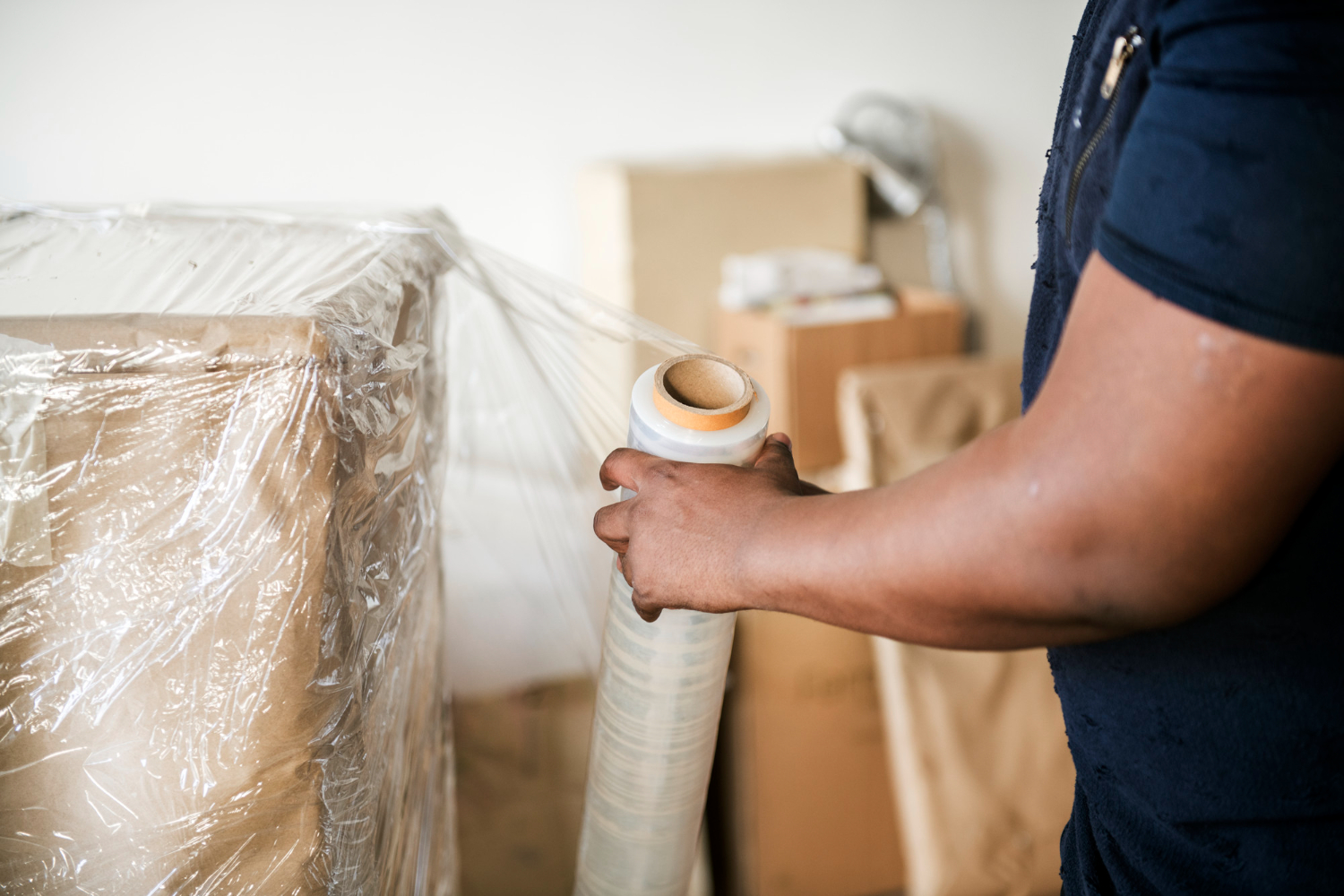
ItemWhat It DoesPriorityMoving boxes (assorted sizes)Holds everythingEssentialPacking tape + dispenserSeals boxes securelyEssentialPacking paper (unprinted)Wraps fragile items without ink transferEssentialBubble wrapExtra protection for very fragile itemsEssentialPermanent markersLabels boxes with contents and roomEssentialBox cutter / scissorsOpens boxes, cuts tape and paperEssentialStretch wrapSecures drawers, bundles items, protects upholsteryEssential
Highly Recommended Items
ItemWhat It DoesPriorityMattress bagsProtects mattress from dirt, moisture, tearsHighWardrobe boxesLets you hang clothes directly — no foldingHighMoving blanketsProtects furniture from scratches and impactsHighZip-lock bags (large)Stores screws, bolts, and small hardware from disassembled furnitureHighColour-coded labels or stickersSpeeds up unloading — each colour = a roomHighPainter's tapeLabels cables; marks furniture placement without residueHigh
Nice to Have (Situational)
ItemWhen You Need ItDish packing kitsIf you have a large collection of dishes, glasses, or stemwareTV boxIf you don't have the original TV boxMirror/picture boxesAdjustable boxes for framed art and mirrorsFurniture pads/corner protectorsFor high-value furniture piecesAnti-static bagsFor computer components (GPU, hard drives)Silica gel packetsFor winter moves — absorbs condensation in sealed boxes
How Many Boxes Do You Need?
This is the question everyone asks — and the answer depends on how much you own, not just your home size. That said, here are practical estimates based on what Ottawa moving crews typically see:
Home SizeSmall BoxesMedium BoxesLarge BoxesWardrobeTotal EstimateStudio / Bachelor5–85–83–50–115–251 Bedroom8–1210–155–81–225–402 Bedroom12–1815–228–122–340–603 Bedroom18–2522–3012–183–460–804+ Bedroom25+30+18+4+80–120+
Box Size Guide
Box SizeDimensions (approx.)Best ForSmall (1.5 cu ft)16×12×12"Books, canned goods, heavy itemsMedium (3 cu ft)18×18×16"Kitchen items, shoes, toys, small appliancesLarge (4.5 cu ft)18×18×24"Linens, pillows, lampshades, light bulky itemsExtra-large (6 cu ft)24×18×24"Comforters, large pillows, stuffed animalsWardrobe24×21×46"Hanging clothes — closet to closetDish pack18×18×28"Dishes and glasses with dividers
Pro Tip: It's always better to have more boxes than you need. Empty boxes can be returned to some stores or passed along to someone else who's moving. Overpacked boxes break; underpacked boxes crush.
How Much Tape Do You Need?
Most people underestimate tape. Here's a realistic guide:
Home SizeRolls of Tape (Standard 55-yard)Studio / 1 Bedroom2–3 rolls2 Bedroom4–5 rolls3 Bedroom5–7 rolls4+ Bedroom7–10 rolls
Buy a tape dispenser. Tearing tape by hand is slow, frustrating, and produces uneven strips that don't seal well. A basic pistol-grip dispenser costs a few dollars and is worth every penny.
Rather not deal with supplies at all? Our full-service packing team brings everything — boxes, wrap, tape, and expertise. Get a free full-service quote.
What You Can Skip (Common Over-Purchases)
Not everything on the moving supplies shelf is necessary:
Packing Peanuts
- Messy, hard to clean up, and environmentally wasteful
- Alternative: Crumpled packing paper fills gaps just as well and is recyclable
Excessive Bubble Wrap
- A full roll of bubble wrap is rarely needed for a residential move
- Alternative: Use your own towels, blankets, and sweaters for most fragile items. Save bubble wrap for genuinely delicate pieces (fine china, crystal, art glass).
Moving-Branded Labels
- Pre-printed "kitchen," "bedroom," "fragile" labels are nice but unnecessary
- Alternative: A marker and painter's tape work just as well and cost almost nothing
Specialty Tape (Fragile Tape, Colour Tape)
- Cute but adds cost without adding protection
- Alternative: Write "FRAGILE" on the box with a marker. Your movers will see it.
Vacuum Seal Bags for Clothes
- These seem like a great idea but can actually wrinkle clothes badly and are time-consuming
- Alternative: Use wardrobe boxes for hanging items and leave folded clothes in dresser drawers
For more on free and affordable supply sources, see Where to Find Free and Cheap Packing Materials.
Packing Supplies for Ottawa Winter Moves
If you're moving between November and March in Ottawa–Gatineau, add these to your list:
ItemWhy It's NeededPlastic bins (with lids)Better moisture protection than cardboard in snow/sleetExtra moving blanketsThermal insulation for wood furniture and electronicsFloor protection (cardboard runners)Protects hardwood from salt and wet bootsOld towelsWipe down items as they come in from the truckHand warmersYour hands need to work; cold hands drop things
For a deep dive into winter-specific packing, see Winter Packing Tips.
Having the right supplies is only half the battle — for packing techniques that protect your belongings, see our How to Pack Your Home Like a Professional guide.
Room-by-Room Packing Supply Guide
Kitchen
- Small and medium boxes (heavy items go in small boxes)
- Packing paper (lots of it — every dish and glass gets wrapped)
- Bubble wrap for fine china or stemware
- Dish pack boxes or cell kits for large collections
Bedroom
- Medium boxes for clothes and personal items
- Wardrobe boxes for hanging clothes
- Mattress bags (one per mattress)
- Zip-lock bags for small items (jewelry, watch, charging cables)
Living Room
- Large boxes for throw pillows, blankets, decorative items
- Stretch wrap for sofa cushions and upholstered furniture
- Moving blankets for wood furniture, TV, and electronics
- TV box (if no original packaging)
Bathroom
- Small boxes (toiletries are heavy when combined)
- Zip-lock bags for liquids (in case of leaks)
- Packing paper for mirrors and glass items
Home Office
- Small boxes for books and files
- Anti-static bags for computer components
- Cable organizer bags
- For complete home office packing guidance, see How to Pack and Move a Home Office
Garage / Storage
- Large and extra-large boxes
- Heavy-duty contractor garbage bags for soft items
- Stretch wrap for bundling tools and garden equipment
Packing Supplies Checklist
Essential Supplies
- Boxes: small, medium, large (assorted per home size table above)
- Packing tape (3–10 rolls depending on home size)
- Tape dispenser
- Packing paper (1–2 bundles)
- Bubble wrap (1 roll for fragile items)
- Permanent markers (2–3)
- Box cutter or scissors
- Stretch wrap (1–2 rolls)
Protection Supplies
- Mattress bags (1 per mattress)
- Moving blankets (4–8, or get from movers)
- Wardrobe boxes (1–4 depending on closet size)
Organization Supplies
- Zip-lock bags (assorted sizes)
- Colour-coded labels or stickers
- Painter's tape
Winter Add-Ons (Ottawa–Gatineau, Nov–Mar)
- Plastic bins with lids
- Extra moving blankets
- Floor protection material
- Old towels
Packing doesn't have to be overwhelming. With the right supplies and a clear plan, you can protect everything you own and make moving day efficient.
👉 Get your free moving quote today — ask about our packing supply delivery and full-service packing options.
Frequently Asked Questions
What are the most important packing supplies to buy?
Boxes, packing tape with a dispenser, packing paper, and markers. Everything else is secondary. These four items handle the vast majority of packing needs.
How much do packing supplies cost for a typical move?
It varies widely by home size and where you source materials. Using free boxes from grocery stores and buying only tape and paper keeps costs low. Full supply kits from moving companies are convenient but more expensive.
Can I use newspaper instead of packing paper?
Yes, but newspaper ink can transfer to light-coloured items (white dishes, linens). If that concerns you, use unprinted packing paper for those items and newspaper for everything else.
Do I need wardrobe boxes?
They're not strictly necessary — you can fold and box clothes. But for suits, dresses, and coats you want to keep wrinkle-free, wardrobe boxes are worth the investment.
How do I pack heavy books?
Always use small boxes for books. A large box filled with books will be too heavy to lift safely and the bottom may give out. Fill partially with books and top up with lighter items.
Should I buy supplies all at once or gradually?
Gradually is usually better. Start with the essentials (boxes, tape, paper) and add specialty items as you pack room by room. This way you don't overbuy.
Where can I get moving supplies in Ottawa–Gatineau?
Hardware stores (Home Depot, Rona), moving supply companies, U-Haul locations, dollar stores, and online retailers all sell packing supplies. For free boxes, see our free packing materials guide.
Do professional movers bring their own supplies?
Most do — especially for full-service packing jobs. If you're only hiring movers for loading and transport, you'll generally need to provide your own packed boxes. Ask when getting your quote.


