

How to Pack Your Home Like a Professional
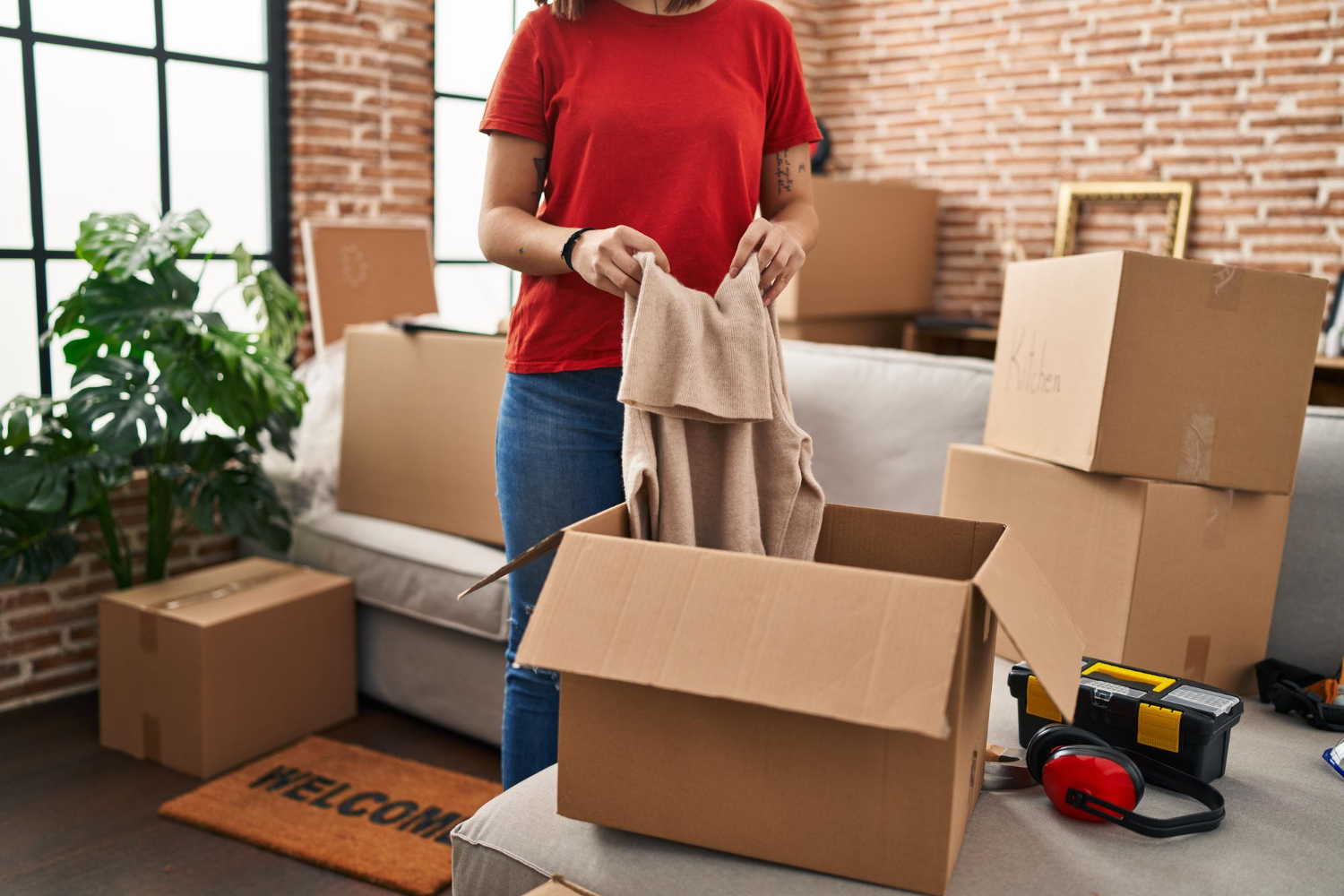
Packing is often the most time-consuming part of any move, but it doesn't have to be a nightmare. Learning **how to pack your home like a professional** can save you hours of frustration and prevent damage to your cherished belongings. By using the right techniques and a systematic approach, you can transform a chaotic pile of boxes into a streamlined operation, ensuring your move in Ottawa is efficient and organized.
The Methodical Rule of Rooms
Professional packers never jump from room to room. Start with the least used areas, such as the attic, basement, or guest bedroom, and work your way towards the kitchen and daily living spaces. Complete one room entirely before starting the next. This method not only keeps you organized but also provides a visual sense of progress that is crucial for maintaining motivation during the weeks leading up to the move.
The Art of the Perfect Box
A properly packed box is stable, stackable, and safe. Heavy items like books should always go in small boxes to prevent them from becoming unliftable hazards. clear labels are non-negotiable—mark the top and at least one side with the room destination and a brief list of contents. Avoid "air pockets" by filling gaps with crushed packing paper or towels; a box with empty space is a box that will crush when stacked in the truck.
Wrappings and Layers for Fragiles
When packing dishes or breakables, never skimp on paper. Professionals use unprinted newsprint (to avoid ink transfer) and wrap each item individually. plates should be packed vertically on their edges, not flat like pancakes, which reduces the risk of cracking from impact shock. Always create a "cushion" of crumpled paper at the bottom and top of the box to act as a shock absorber during transit on Ottawa's sometimes bumpy roads.
Labeling for the "First Night"
One secret of the pros is the "Open First" box. This isn't just for toiletries; it should include your coffee maker, phone chargers, a set of sheets, and basic tools for assembling furniture. Mark this box clearly with bright tape or a unique color so it is loaded last and unloaded first. This simple step ensures you aren't frantically searching for your toothbrush at 11 PM on moving day.
Weight Distribution and Safety
Safety is paramount. When packing large cartons, place heavier items at the bottom and lighter items on top to maintain a low center of gravity. Tape the bottom of every box—even new ones—with at least two to three strips of high-quality packing tape. Ideally, no box should weigh more than 50 pounds, protecting both you and your movers from back strain.
Why This Matters for Ottawa and Gatineau Residents
Ottawa's seasonal climate plays a surprising role in packing. If you are moving during a humid July, avoid packing electronics or leather goods in plastic bags that can trap moisture and cause mold. Conversely, during an Ottawa winter move, plastic bins can become brittle and crack in freezing temperatures; sturdy cardboard is often more resilient. Furthermore, if you live in a multi-story walk-up in the Golden Triangle, ensure your boxes are sturdy enough to withstand being carried down narrow, twisting staircases.
To get the job done right, you first need the right tools; check our guide on essential packing supplies for stress-free moving to build your kit. Before you put a single item in a box, it is vital to lighten your load, so follow our step-by-step guide on decluttering before a move. Once you are in the thick of it, refer back to our Ottawa moving checklist to ensure your packing timeline stays on track.
FAQ
Q: How long does it take to pack a 3-bedroom house?
A: On average, it takes 3–5 full days to pack a standard 3-bedroom home yourself. Professional packing services can typically complete this in 1 day.
Q: Should I empty my dresser drawers?
A: Yes. While some movers allow light clothing to stay, heavy items can damage the drawers during transport. It makes the furniture much heavier and harder to maneuver safely.
Q: Can I use garbage bags for clothes?
A: Avoid it if possible. Garbage bags rip easily and trap moisture. Wardrobe boxes are a far superior option for hanging clothes, keeping them wrinkle-free and clean.
Q: How do I pack liquids?
A: Most movers will not transport non-sealed liquids or hazardous materials. For personal transport, seal bottles with tape and place them in verified waterproof bins to prevent leaks.
Q: What is the most common packing mistake?
A: Overpacking large boxes. Putting heavy items like books or canned goods in extra-large cartons makes them dangerous to lift and prone to breaking open.
Packing is a skill that rewards patience and precision. By learning how to pack your home with professional techniques, you ensure your belongings arrive at your new Ottawa residence intact. If the DIY route feels overwhelming, contact UpMove to hire professional packers who can handle everything from your fine china to your library with expert care.


