

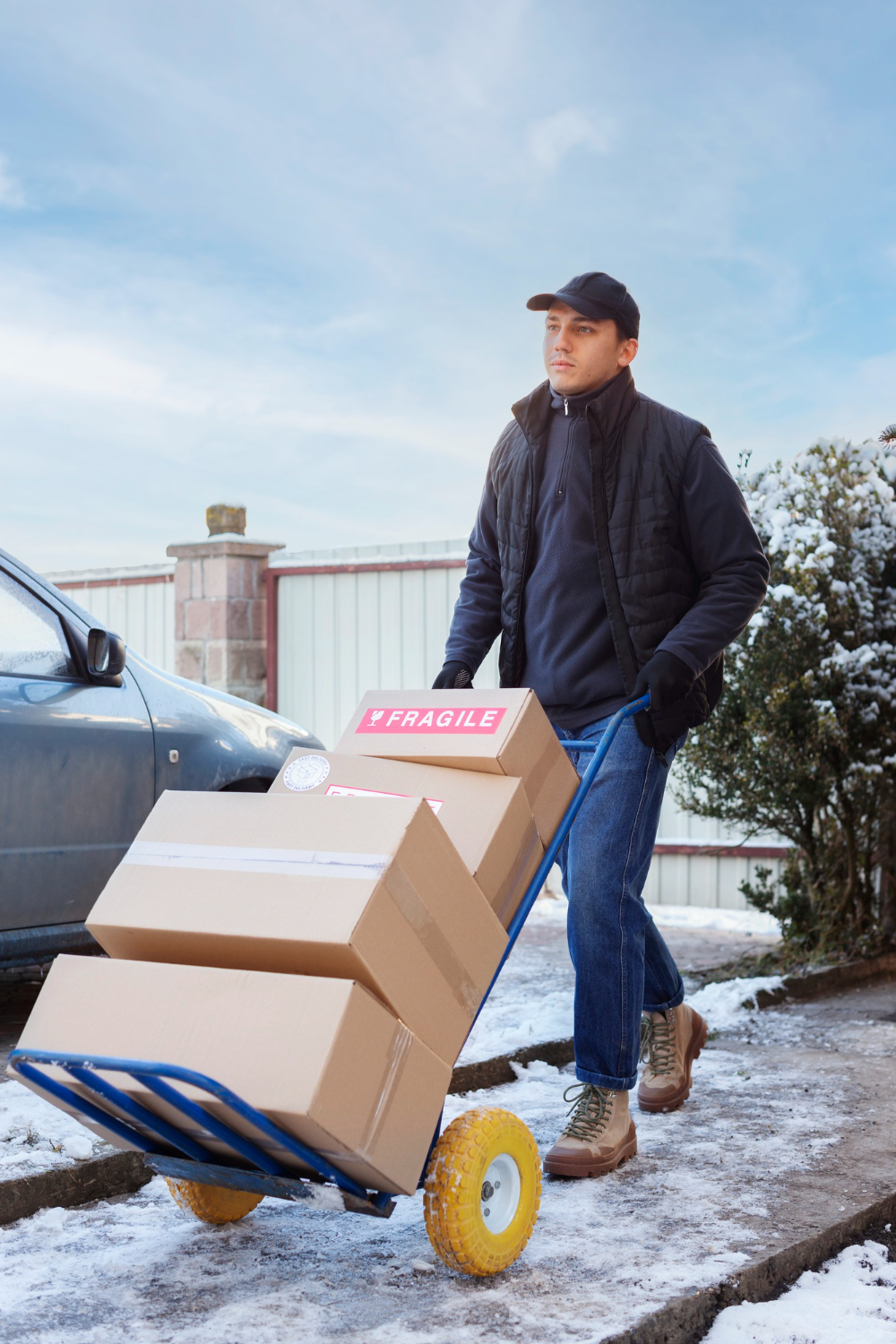
Winter Packing Tips: How to Protect Your Belongings During an Ottawa–Gatineau Cold-Weather Move
Ottawa consistently ranks among Canada's coldest capitals, with January and February temperatures regularly dropping below −20°C. Moving during these months isn't just uncomfortable — it introduces real risks to your belongings that warm-weather moves simply don't face.
Frozen electronics, cracked ceramics, warped wood, condensation damage — these aren't hypotheticals. They're what Ottawa moving crews see every winter when people pack the same way they would in July.
This guide covers what you need to do differently when packing for a winter move in the Ottawa–Gatineau region.
Moving this winter? Request a free quote from movers who handle Ottawa winters every day.
Why Winter Packing Is Different
The core challenges of a cold-weather move:
- Extreme cold — Prolonged exposure to sub-zero temperatures can damage electronics, liquids, instruments, and certain materials
- Moisture — Snow, sleet, and road salt tracked into the truck create wet conditions
- Condensation — Moving items from a heated home to a freezing truck and back to a warm home creates condensation that can damage electronics and wood
- Ice and salt — Salt slush from boots and walkways gets on boxes, furniture, and floors
- Reduced daylight — Shorter days mean you're often loading or unloading in the dark
For general winter moving logistics beyond packing, see our Moving in Winter in Ottawa: Tips and Risks guide.
Electronics: The Most Vulnerable Category
The Problem
Electronics — TVs, computers, monitors, gaming consoles — contain components that are sensitive to rapid temperature changes. LCD screens can develop dead pixels or cracks. Batteries can lose charge or swell. Condensation inside a device can cause short circuits when you plug it in.
How to Pack Electronics for Winter
- Let them acclimate. Before packing, allow electronics to reach room temperature. After delivery, let them sit in the new home for at least 2–4 hours before plugging them in.
- Wrap in blankets or towels before putting them in boxes — this provides thermal insulation, not just padding
- Never leave electronics in the truck overnight. If your move spans two days, bring devices inside
- Use original packaging if you still have it — manufacturers design boxes to insulate during shipping
- Seal boxes with tape completely to minimize air exchange and condensation
Pro Tip: Put a silica gel packet (the kind that comes in shoe boxes) inside each electronics box to absorb any moisture that forms during transit.
Liquids: Freeze Risk and Spill Risk
What Freezes
In Ottawa winter temperatures, these items can freeze and potentially burst or crack their containers:
- Cleaning products
- Cooking oils and vinegar
- Shampoo, lotion, and liquid soap
- Paint and solvents
- Wine and beer (cans can burst; bottles can crack)
- Canned goods (repeated freeze-thaw can compromise the seal)
How to Handle Liquids
CategoryRecommendationCleaning productsTransport in your personal vehicle with the heat on; don't leave in the truckToiletriesPack in a sealed bin and keep warmAlcoholWrap bottles individually; consider transporting in your carPaintGenerally not worth moving — dispose of responsibly through Ottawa or Gatineau's hazardous waste programsCanned goodsKeep in insulated boxes; move early in the loading sequence so they're deep in the truck
Wood Furniture: Warping and Cracking
The Problem
Wood expands and contracts with temperature changes. Rapid shifts — heated home → freezing truck → heated home — can cause joints to loosen, veneer to bubble, and finishes to crack. Antique furniture is especially vulnerable.
Protection Steps
- Wrap wooden furniture in moving blankets — this slows temperature change
- Never leave wood furniture in an unheated truck overnight
- Avoid placing furniture directly against cold truck walls — use blankets or cardboard as a barrier
- Disassemble what you can — loose legs and shelves are less likely to crack than stressed joints
For more on protecting valuable furniture, see our Moving Antiques and Fragile Items article.
Ceramics, Glass, and Porcelain
Cold temperatures make these materials more brittle. A piece of pottery that might survive a minor bump in summer can crack from the same impact in winter.
Packing Approach
- Double-wrap fragile items — more cushioning than you'd normally use
- Use crumpled packing paper between each piece — newspaper works but can transfer ink
- Fill every gap in the box — items shifting during transit is the #1 cause of breakage
- Mark boxes clearly — "FRAGILE" and "KEEP FROM FREEZING" where applicable
- Load fragile boxes last so they're unloaded first and spend minimum time in the cold
Worried about your valuables in the cold? Our winter-experienced crews know exactly how to protect temperature-sensitive items. Get a free winter moving quote.
Musical Instruments
If you play piano, guitar, violin, or any acoustic instrument, winter moving is a genuine concern.
Risks
- Wood body instruments (guitars, violins, cellos) can crack from rapid temperature and humidity changes
- Piano strings expand and contract, requiring re-tuning after any winter move
- Brass instruments can develop valve issues from freezing
Protection
- Use hard cases — never move an instrument in just a gig bag during winter
- Loosen strings slightly on string instruments before transport to reduce tension during temperature changes
- Transport instruments in your heated car if possible, not the moving truck
- Allow instruments to acclimate slowly — don't open the case immediately when you arrive; let the case warm to room temperature gradually
For piano-specific advice, see our How to Move a Piano Safely in Ottawa guide.
Plants
Most houseplants are tropical — they start suffering below 10°C and can die from even brief exposure to Ottawa's winter temperatures.
Moving Plants in Winter
- Wrap each plant in a garbage bag loosely — this creates a warm-air pocket
- Pre-warm your vehicle and transport plants yourself — never put them in the truck
- Move plants last, unload them first — minimize cold exposure
- Water lightly 1–2 days before the move — soggy soil freezes faster
- Don't worry about leaves that drop — many plants recover from cold stress once stabilized in a warm home
Winter-Specific Packing Supplies You'll Need
Beyond standard packing materials (covered in our Essential Packing Supplies guide), add these for a winter move:
ItemWhy You Need ItPlastic bins with lidsKeep moisture and salt out — better than cardboard in wet conditionsMoving blankets (extra)Thermal insulation for furniture and large itemsSilica gel packetsAbsorb condensation inside sealed boxesPlastic wrapWrap upholstered furniture to shield from slush and saltOld towelsWipe salt and moisture off items as they're unloadedFloor protectionCardboard runners or drop cloths protect hardwood from salt-crusted bootsHand warmersNot for your boxes — for you. Cold hands fumble and drop things
Timing Your Winter Packing
Start Earlier Than You Think
Winter moves take longer. Roads are slower, daylight is shorter, and handling items in gloves is less efficient. Pack more thoroughly and earlier than you would for a summer move.
TaskSummer TimelineWinter TimelineStart packing non-essentials2 weeks before3 weeks beforePack kitchen and fragile items3–4 days before5–7 days beforeFinal pack (bedrooms, bathroom)Night beforeNight beforeLoading truck6–8 AM8–9 AM (wait for daylight and plowing)
Day-Of Considerations
- Wait for the walkway to be cleared and salted before movers start carrying boxes
- Keep the front door closed between trips — the house loses heat fast with doors propped open
- Have a boot-cleaning station at the entrance — a mat and old towels prevent salt from ruining floors
- Keep a thermos of hot drinks available for everyone working — cold muscles are injury-prone muscles
For a complete day-of plan, see our Weather-Proofing Your Move guide.
Winter moving in Ottawa is routine — but only if you pack for it. Our team has relocated thousands of households through the worst of Ottawa's winters, and we bring the right equipment and expertise to protect your belongings.
👉 Get your free winter moving quote today
Frequently Asked Questions
Can electronics be damaged by cold during a move?
Yes. LCD screens can crack, batteries can swell, and condensation can cause short circuits. Wrap electronics in blankets for insulation and let them acclimate for 2–4 hours before plugging them in at your new home.
How cold is too cold to move in Ottawa?
Most professional movers operate in any temperature, but extreme cold (below −25°C) can increase risks to belongings and slow the process significantly. There's no official cutoff — use your judgment and discuss conditions with your moving company.
Should I use plastic bins instead of cardboard boxes for winter moves?
Plastic bins are superior in wet, snowy conditions because they keep moisture out. However, they're more expensive. A practical compromise: use plastic bins for electronics, documents, and items most vulnerable to moisture, and cardboard for everything else.
Will my plants survive a winter move?
Many houseplants can survive brief cold exposure (under 5 minutes) if wrapped in bags and transported in a heated vehicle. The longer they're exposed to sub-zero temperatures, the greater the risk. Move plants yourself — never put them in the truck.
How do I protect hardwood floors from salt during a winter move?
Lay down cardboard runners, drop cloths, or old sheets along the path from the door to each room. Set up a boot mat at the entrance and have towels ready to wipe salt off shoes and items.
Does wood furniture crack in the cold?
It can. Rapid temperature changes cause wood to expand and contract, which can loosen joints and crack finishes. Wrap wood furniture in moving blankets and avoid leaving it in an unheated truck overnight.
How much extra time should I add for a winter move?
Plan for 20–30% more time than a summer move of the same size. Shorter daylight, slower roads, ice management, and careful handling all add up.
Should I tip movers more for a winter move?
There's no obligation, but many people do tip more for winter moves, recognizing the harder conditions. See our Moving Day Tipping Guide for Ottawa-specific etiquette.


