
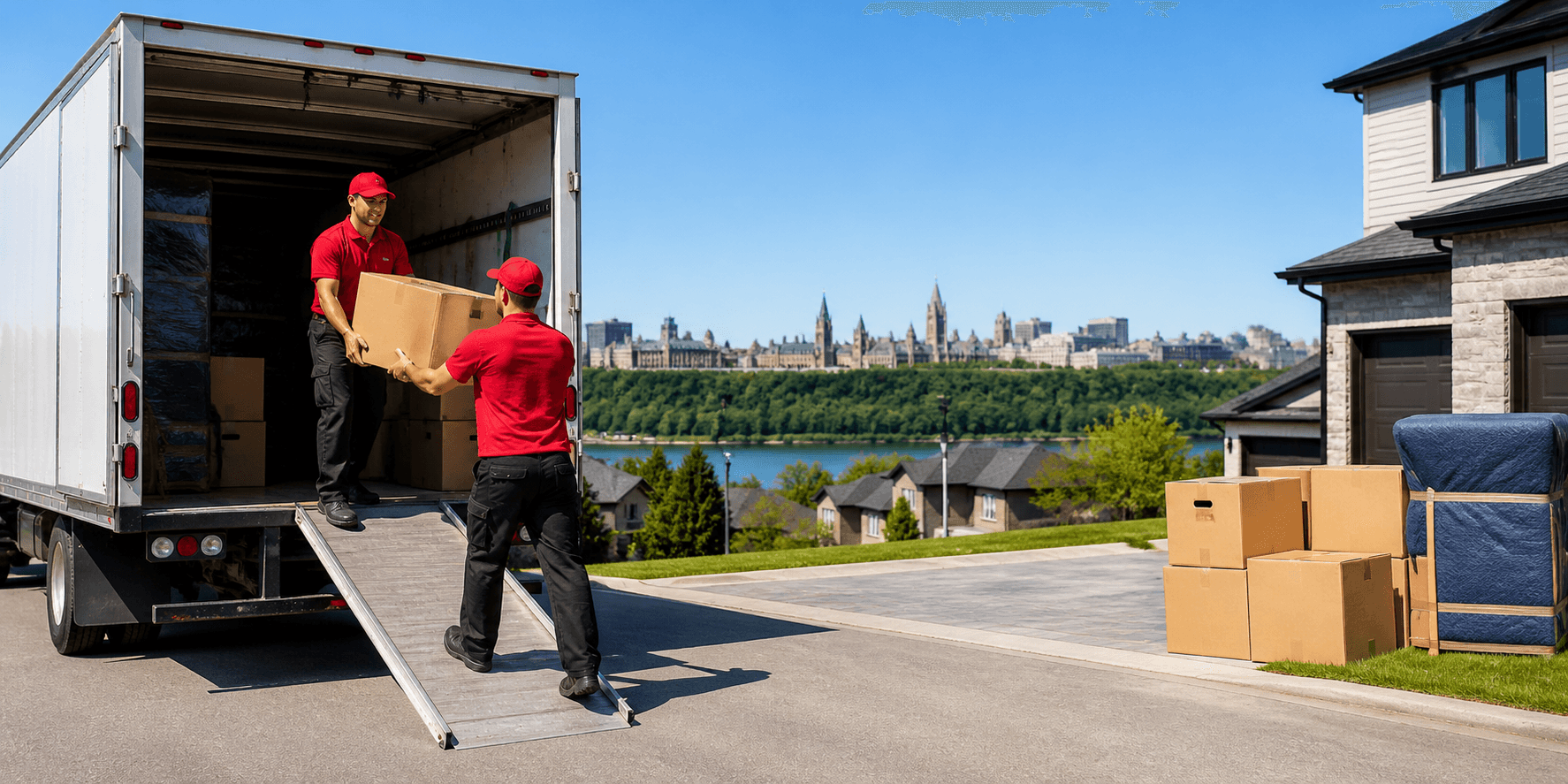
Cross Border Moving Ottawa to U.S.: Plan It Right
Plan cross border moving Ottawa to U.S. with a practical checklist for customs, packing, timing, insurance, and a smoother relocation.
Cross border moving Ottawa to U.S. requires more than booking a truck: you need a detailed inventory, valid immigration documents, proof of ownership for key items, a realistic border-day schedule, and a mover that can protect and document your shipment properly. Start planning at least six to eight weeks ahead, particularly for a full household move from Ottawa, Gatineau, or elsewhere in Outaouais, because customs requirements and delivery timing can affect every stage of the relocation.
Start With the U.S. Entry Requirements
Your ability to bring household goods into the United States depends first on your immigration or residency status. A moving company transports the shipment, but it cannot replace the documentation required by U.S. Customs and Border Protection or resolve an immigration issue at the port of entry.
Before confirming a moving date, review the requirements that apply to your visa, work authorization, permanent residency, or returning-resident status. Keep originals and copies of your passport, visa or supporting status documents, destination address, and your mover’s shipment details in a folder you travel with rather than packed in the truck.
Build a complete household inventory
Prepare an itemized inventory in English, listing boxes by general contents and identifying major items such as sofas, beds, televisions, tools, bicycles, computers, and appliances. Number each carton and match it to the inventory. This makes customs review, insurance claims, and delivery-day checks much easier.
For higher-value belongings, include the make, model, serial number, and estimated replacement value. Keep purchase receipts or ownership records for newer electronics, fine art, antiques, and specialized equipment when available. Our cross-border relocation guide offers additional planning context for households leaving the National Capital Region.
Know What Can and Cannot Cross the Border
A common moving-day mistake is assuming that anything you own can simply be loaded into the truck. Some possessions are restricted, regulated, prohibited, or require additional declarations and paperwork. Review the current U.S. rules well before packing, since requirements can change and depend on the item.
Do not pack questionable items into a box marked “miscellaneous.” Declare items accurately and ask the appropriate authority, broker, or carrier about any category that may need special handling.
Items that need extra attention
These are frequent problem areas on Ottawa-to-U.S. moves:
- Firearms, ammunition, pepper spray, and other weapons
- Alcohol and tobacco products
- Fresh food, meat, produce, plants, seeds, soil, and firewood
- Prescription medication and controlled substances
- Pets and pet food
- Vehicles, recreational vehicles, and trailers
- Commercial samples, business inventory, or equipment used for work
Food is especially easy to overlook. An open pantry carton containing produce, homemade preserves, or meat can cause delays. Use up perishables before moving day, and pack only shelf-stable foods that you have confirmed are permitted. For a vehicle, check the import rules separately; the standards for admissibility, emissions, safety labels, financing liens, and registration are not the same as the rules for household goods.
Choose a Practical Route and Moving Schedule
From Ottawa and Gatineau, many household shipments travel through crossings such as Prescott–Ogdensburg, Thousand Islands, or the Montreal-area corridors, depending on the final U.S. destination and carrier plan. The most direct-looking route is not always the best option once truck restrictions, border processing, seasonal weather, and delivery access are considered.
Build flexibility into the schedule. Border processing can be quick when documentation is complete, but inspections, traffic, road construction, and winter conditions can add time. Avoid signing a lease that requires an exact same-day delivery before you understand the shipment window.
Coordinate your own travel with the shipment
Ask your moving coordinator where and when you must be available. In many cross-border moves, the customer’s presence or documentation is needed for the customs process. Do not assume you can fly ahead while the truck handles every step without your involvement.
Keep essentials in your personal vehicle or luggage: medications, chargers, travel documents, jewelry, a change of clothes, children’s comfort items, and critical work files. Families will also benefit from these moving with kids strategies, especially when a border crossing adds waiting time and unfamiliar surroundings to an already demanding day.
Pack for Customs Checks and Long-Distance Handling
A shipment may be opened for inspection, so every box should be packed as if another person needs to understand and repack it safely. Use sturdy cartons, avoid overloading books or kitchenware, cushion fragile items individually, and label each carton on two sides with its room and contents.
Professional packing is particularly useful for mirrors, glass tables, art, televisions, dishes, and awkward furniture. Trained movers can wrap furniture with protective materials, prepare pieces for transport, and disassemble items that will not safely clear stairwells, elevators, or door frames.
Separate essential and non-transportable items
Do not send passports, cash, legal documents, irreplaceable photographs, medication, or valuable jewelry with the moving load. Keep a separate “first 72 hours” kit for arrival, including bedding, toiletries, basic kitchen supplies, pet essentials, and tools for simple assembly.
Also empty and defrost appliances in advance. A fridge or freezer that is still damp or smells of food can create problems during a long trip. If you are reducing waste before the move, consider these eco-friendly moving supply ideas for reusable bins, recyclable packing materials, and donation planning.
Protect Furniture, Fragile Items, and Heavy Pieces
Long-distance transportation creates more handling points than a local Ottawa move. Furniture may be carried down stairs in Centretown, loaded from a Gatineau condo dock, secured for highway travel, and then delivered through a new building’s booking system in the United States. Proper protection and a clear loading plan matter.
Before moving day, photograph the condition of valuable furniture and electronics. Tell the crew about marble tops, glass doors, oversized sectionals, antique pieces, pianos, safes, or anything that requires a specialized approach. Measure large items and note narrow hallways, low ceilings, elevator reservations, parking limitations, and access codes at both addresses.
Understand coverage before the truck is loaded
Ask exactly what protection is included, what optional valuation or coverage is available, and how claims are documented. “Insured” is not a substitute for reading the scope of coverage. You should understand exclusions, declared values, deductibles where applicable, and the process for reporting a concern at delivery.
Read more about moving insurance options before deciding how to protect your shipment. For a cross-border move, an accurate inventory, pre-move photos, and signed paperwork are just as valuable as the coverage itself.
Budget for the Full Cross-Border Move
The final cost of a move from Ottawa to the U.S. varies with shipment size, distance, access conditions, packing needs, route, customs-related administration, and delivery timing. A small apartment moving to a nearby U.S. city may cost several thousand dollars, while a larger house moving farther south or west can be substantially more. Quotes should be based on a careful review of what is actually moving, not a quick guess over the phone.
Ask what the estimate includes and what could change it. Common cost drivers include long carries from a building entrance, stairs, elevator delays, packing materials, storage, disassembly, special handling, and extra delivery services. Review Ottawa and Gatineau moving rates to understand how transparent estimates are structured and which services should be discussed in advance.
Avoid the quote mistakes that create surprises
Be honest about volume. Garages, storage lockers, basements, sheds, and large closets are frequently missed in an initial list. Mention every pickup or drop-off point, building rule, heavy item, and timing restriction before you approve the move.
Do not choose a mover on price alone. Verify communication standards, equipment, packing capability, insurance approach, and experience coordinating complex relocations. These tips for choosing a mover can help you compare providers beyond the headline estimate.
Plan the Last Week in Ottawa or Gatineau
The final week should be about confirmation, not improvisation. Reconfirm the moving arrival window, access instructions, inventory, and documents. If you live in a downtown Ottawa apartment or Gatineau high-rise, reserve the elevator and confirm loading-zone or parking arrangements with management early.
Notify utilities, banks, insurers, schools, healthcare providers, and subscription services of your new address. Keep Canadian records accessible, particularly tax, vehicle, medical, and banking documents that may be needed after you arrive. Cancel or redirect deliveries, and make a plan for garbage, recycling, donations, and hazardous household waste that cannot travel.
Do a final walk-through
Once the home is empty, check closets, cabinets, attic spaces, basement storage, balcony lockers, and the garage. Take dated photographs of the property condition if required for your landlord or purchaser. At delivery, check off cartons and inspect major pieces before the crew leaves, reporting any concern according to the agreed process.
Get a Clear Plan Before You Commit
A successful cross-border relocation begins with a detailed conversation about your inventory, destination, timing, access, and special items. UpMove can help Ottawa-Gatineau and Outaouais customers plan safe packing, furniture protection, disassembly, and the logistics around a complex household move, while you prepare the personal customs and immigration documentation required for entry.
For a tailored moving plan and a clear discussion of your requirements, request a free moving quote. The earlier you identify border paperwork, restricted items, and delivery constraints, the smoother your move from Ottawa to the U.S. will be.
Frequently Asked Questions
How far in advance should I book a cross-border move from Ottawa to the U.S.?
For a full household relocation, aim to start arranging the move six to eight weeks ahead. This gives you time to sort belongings, obtain documents, confirm building access, and address restricted items. Summer, month-end dates, school holidays, and winter weather can make scheduling more difficult, so earlier planning is helpful.
Can I pack my own boxes for a move from Canada to the United States?
Yes, many customers pack their own household goods, provided boxes are sturdy, clearly labeled, and accurately listed on the inventory. Self-packed cartons should not contain prohibited goods, personal documents, cash, medication, or valuables. Fragile and high-value items are often better handled with professional packing and protection.
Do I need a customs broker for household goods moving from Ottawa to the U.S.?
It depends on your immigration status, the type of goods you are bringing, and the complexity of your shipment. A straightforward personal household move may not require a broker, while commercial goods, unusual items, or complicated documentation can benefit from one. Confirm the current requirements with U.S. customs authorities before moving.